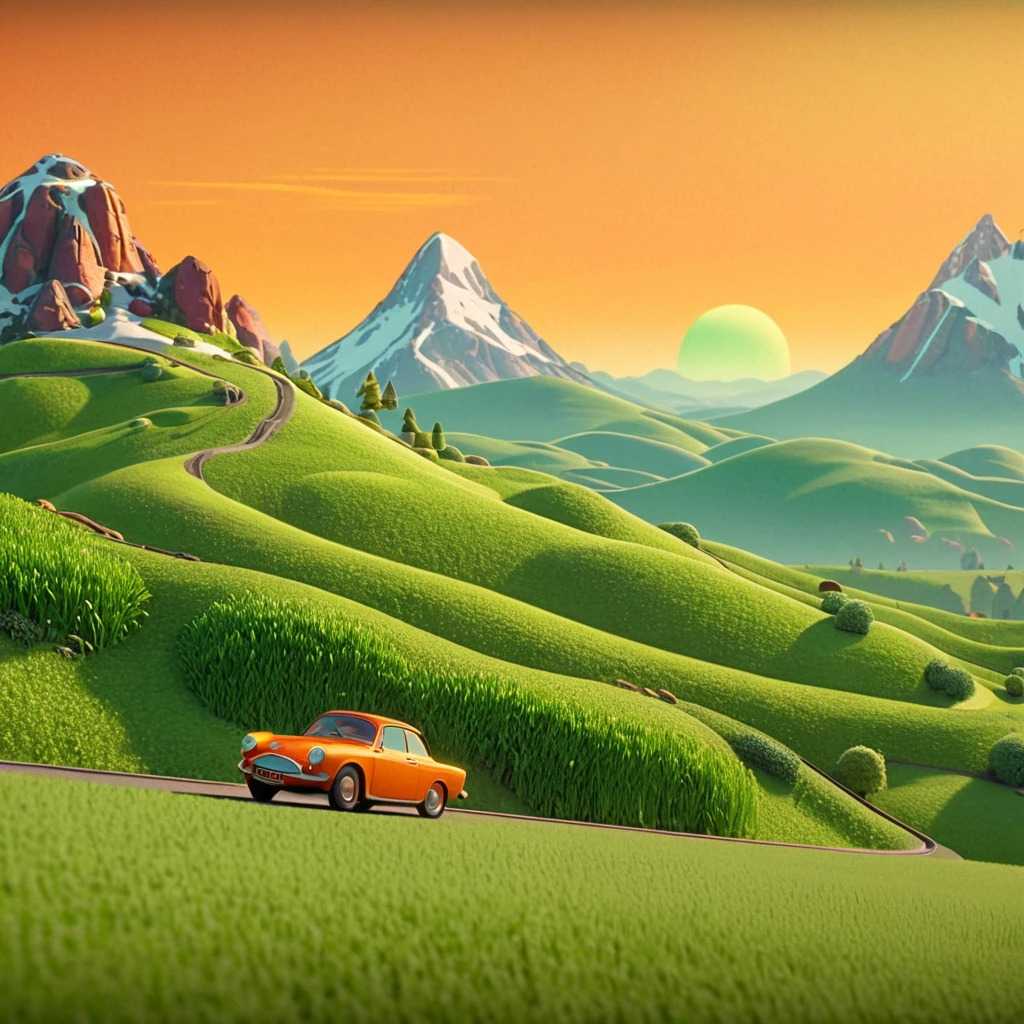
Stop motion is a niche style that is paradoxically growing in popularity despite often being type-cast as “old school.”
Part of the beauty of stop animation is that you don’t need fancy equipment or to be an expert in CGI to do it: just about anyone with a phone or digital camera can get to work with the technique. There are quite a few types, some more complicated than others, and whilst you may not be hired by Aardman Studios right away, each one is still available to try.
There is, however, a catch. The not so pretty side of the stop motion coin is that whilst it is easy to do in terms of accessibility and skill, it can take a very…very long time. Why, you ask? Let’s begin with a definition.
What Is Stop Motion Animation?
Stop motion animation is a technique in filmmaking whereby objects are physically altered in small movements and captured one frame at a time. After consecutive moves are recorded in single images on a camera, it will eventually give the illusion of motion.
You may be surprised to learn that stop motion animation is an umbrella to a variety of different styles which are connected by their manipulation of objects, clay, people, cutouts, puppets, and more.
While stop motion videos are labor-intensive and can require extensive pre-production, they can be used in marketing strategies to convey a more “organic” or “hand-made”. Because of its practical and physical nature, many consumers view it as craftsmanship and admire stop motion as an artform.
The technique is favored for being unique and eye-catching, boasting a charming aesthetic.
The Stop Motion Process
The basic stop motion is fairly straightforward:
- A scene is modeled in real life with objects, props, and any other supporting materials.
- Characters are created along with their different positions and facial expressions in line with the proposed scene.
- The scene is brought to life with light and movement, composed gently and slowly before being ready for photographing
- The scenes, objects and characters are adjusted slightly in accordance with the sequence of events, and photos are taken at each stage of movement
- The process is repeated, adjusting the characters and scenes each time until the desired animation is fully photographed in an ordered sequence
- The final step sees a compilation of the photographs merged together to create a 3D animation
Branches of the Stop Motion Tree
There’s no question that this kind of animation is laborious and can take a really long time to create a finished product. In fact, it is the case that it takes a whopping 12 frames to create about one second of video.
As with any type of animation, it all depends on which type of stop motion animation you choose that will determine any limitations you may face. Physically and materially, each type presents its own challenges.
1. Object-Motion: Moving or animating objects
This pretty much does what it says on the tin, so we don’t need much explanation here. The process can also be referred to as Object Animation, and it’s simply the moving of objects per frame. The good news is that the sky’s the limit here: creating stories using any and all of the objects at your disposal.
2. Claymation: Moving clay
A pliable material is sculpted around a wireframe (an armature) and is tweaked each time a shot is taken to provide an illusion of movement in a sequence.
Chicken Run (2000) is the highest-grossing stop-motion animated film of all time, grossing a huge sum of more than $224 million, and is categorized as a clay film. Unlike cutouts, everything is three-dimensional.
Clay can be laborious to work with since it is subject to smudges, dust, and other means of blemishes. The result of this is an impact on shooting consistently.
That said, the style remains popular and loved by many, having found itself synonymous with Wallace and Gromit producers at Aardman Studios.
3. Cutout-Motion: Moving paper/2D material
The majority of cutout animation is based on flat, two-dimensional figures that have joints, which give them the effect of motion.
A modern example of this style that most will have heard is South Park. You may be surprised to know that the show originally begin as a true cutout animation before directors Trey Parker and Matt Stone switched over to computer animation disguised as a cutout following the pilot episode.
4. Silhouette Animation: Back-lighting cutouts
This style became popularised by pioneer Lotte Reiniger, best known for her adaptation of Arabian Nights in her beautifully delicate production of The Adventures of Prince Achmed.
In the same way as cartoon drawings, the silhouette films are sequentially captured frame by frame. Silhouette marionettes are cut out of black cardboard and thin lead. With every limb crafted individually and joined with wire hinges.
Surrounding backgrounds are also cut out with scissors from layers of transparent paper and are implemented to give a more cohesive style to the whole frame.
In stop-motion style, photographs are taken one by one, before the figures are moved into their next position and photographed again. This step is repeated in slow succession until the sequence of movement is completed and an illusion of movement is created.
Case Study: The Nightmare of Stop Motion
Stop motion is the perfect medium to combine light and dark with jolly and macabre with great success. As is found in Tim Burton’s beautifully crafted Nightmare Before Christmas.
Perhaps the biggest obstacle of stop motion hits you right at the beginning: time.
We have decided to use the wonder that is The Nightmare Before Christmas as the perfect example to highlight our point.
The film runs at just over an hour. A fairly short timescale for a feature film, and a film for you to consider if you need a quick study break or you only have limited time. Perhaps not one for before bedtime, though. We’ve warned you.
Despite being only 76 minutes long, it took an extensive three and a half years in total to produce, with a huge crew of 120 people. Shooting 24 frames per second meant the animators had to create unique motions for 110,000 frames in total.
It has even been reported that one minute of the movie took about a week to shoot. It is thus clear to see how time racks up with this method.
Jack Skellington is reported to have had more than 400 different heads created for him for each and every expression change. While his female counterpart, Sally, had masks that were flexibly popped off and on her frame.
In addition, each time that Jack blinked, multiple eyelids with different levels of closure were snapped into his eye sockets, with approximately four frames rendered for each blink. That is a true testament to the patience of all who worked on this film!
Wrapping Up
In spite of the fact that it remains so “ancient” compared to the giants of today’s animation style (CGI), stop motion iconically remains tremendously popular.
Regardless of whether cutouts, clay, or puppets were used, the process is basically the same due to the human involvement and step-by-step method of movement and photography.
The human element of manipulating the subjects bit by bit, frame by frame, to capture the moments one frame at a time, is still the quintessential aspect that makes it so compelling to watch.
While computers have tried to mimic it, (as seen, for example, in The Lego Movie), nothing is quite as quirky as the authentic stop motion process.
What is stop motion animation?
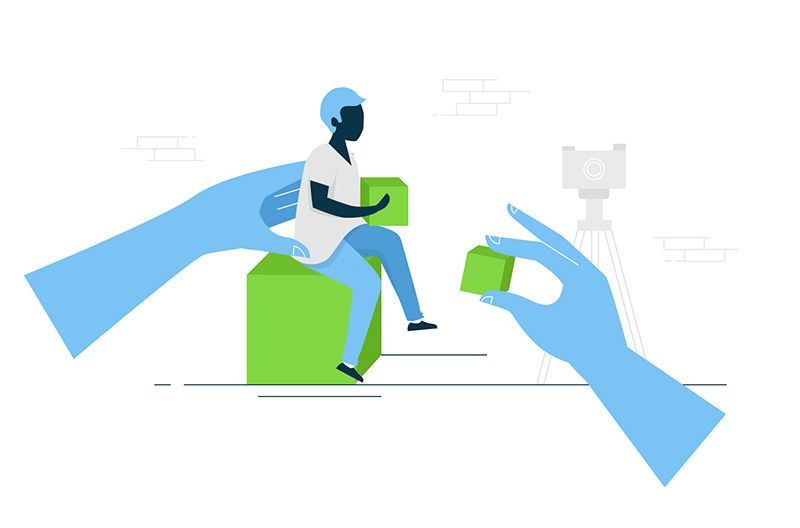
Stop motion animation employs real-life objects that are moved in small increments and photographed. These slight movements are then combined into a video sequence, which creates an illusion of continuous motion.
Stop motion animation has been a fixture in animated movies and short films for years. You are probably familiar with this technique from such onscreen creations as well. Now you can use your own expertly made stop motion video to promote your business! Our team loves the challenge that is stop motion animation, but such videos are definitely not easy to produce.
The process of creating a stop motion video is complicated and tends to take a lot of time. All individual movements of an object have to be photographed separately. Hundreds of slight adjustments are needed in order to create a convincing illusion that the object is moving on its own.

Where and why is stop motion animation used?
There are no businesses that cannot benefit from a stop motion video. Whichever industry your company represents, it can absolutely attract new customers by employing this gorgeous animation technique. Nevertheless, this result comes at a price and we want our clients to consider it before choosing stop motion animation.
This explainer video style is one of the most expensive styles on offer. Time, patience and effort is needed to put this technique to good use – and its cost reflects this. Photographing every movement of an object also complicates the process of making changes to the finished video. Such changes can result in delays and additional investments – and sometimes they simply cannot be made. For this reason, it is extremely important for us to figure out the details of your stop motion video first. Only then can we start actually producing it.
Even though creating a stop motion video is not at all an easy task, we are always happy to do it. What makes us even happier is seeing our clients achieving their desired results afterwards. In a lot of cases, these results end up exceeding their expectations! There is no better proof that the effort and money that go into stop motion animation really are worth it.
Stop Motion+ Animations
Our Stop-Motion+ animated videos feature elements of traditional stop-motion mixed with other forms of animation to visualise virtually any message or topic.
If you are looking for an animated explainer video that is really unusual, look no further…

What makes our Stop Motion+ videos different?
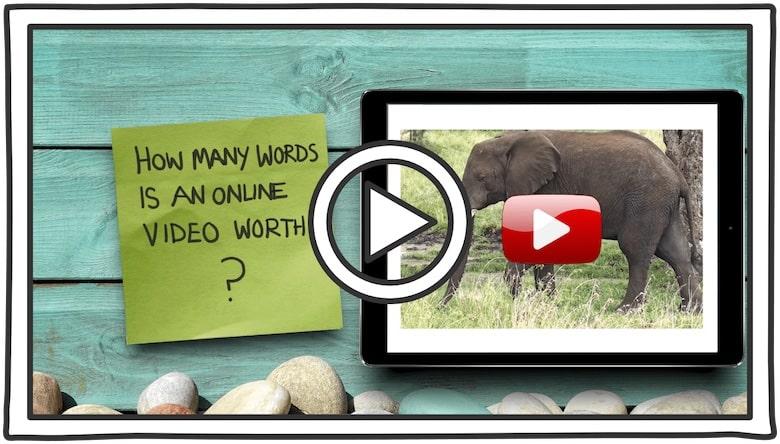
Our Stop Motion+ videos use a streamlined stop motion video process together with the addition of hand gestures, written text, annotations, paper splats and other fascinating techniques. This means we can visually emphasise or clarify key points in the voice-over in unusual ways, to maintain interest and improve retention.
Combine all this with a carefully structured script to guide the audience plus a little subtle humour here and there to maintain interest and the result is a short, unusual video that is powerful, memorable and gets watched through to the end.
What is Stop Motion animation?
(Just in case you were wondering!)
Stop motion animation is achieved by moving objects in small increments, photographing them each time they move and then playing the images back in quick succession to give the illusion of movement… Wallace and Gromit is probably the most famous modern example.