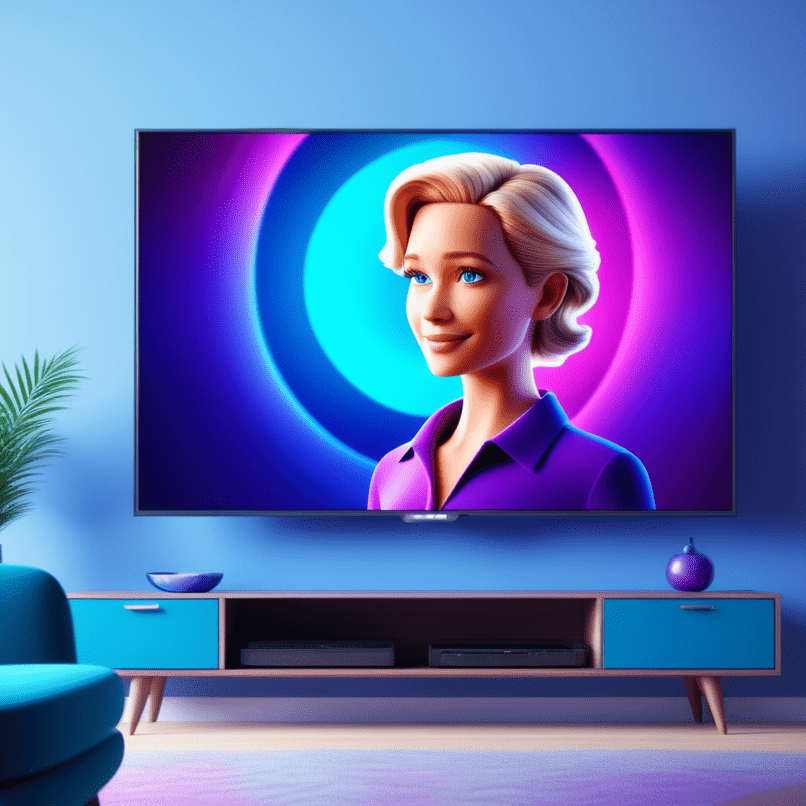
TV promos are short clips that aim to attract viewers to watch a specific show or event. They are often aired during commercial breaks or between programs, and they need to stand out from the crowd and capture the audience’s attention. Animation is a powerful tool that can help you create effective TV promos, as it allows you to convey your message in a creative, engaging, and memorable way. In this article, we will explore how you can use animation to create effective TV promos, and what factors you need to consider when choosing between 2D and 3D animation.
1 Define your goals
Before you start animating, you need to define your goals for the TV promo. What is the purpose of the promo? Who is your target audience? What is the tone and style of the promo? What is the main message or call to action? How long is the promo? These questions will help you shape your animation strategy and choose the most suitable techniques and tools for your project.
2 Choose your style
Animation offers a wide range of styles and possibilities, from realistic to abstract, from simple to complex, from humorous to dramatic. You need to choose a style that matches your goals, your audience, and your brand identity. For example, if you want to promote a comedy show, you might opt for a cartoonish or exaggerated style that emphasizes the humor and the characters. If you want to promote a documentary, you might opt for a more realistic or informative style that showcases the facts and the footage.
3 Decide on 2D or 3D
One of the most important decisions you need to make when creating an animated TV promo is whether to use 2D or 3D animation. Both have their advantages and disadvantages, and the choice depends on your goals, your budget, and your preferences. 2D animation is the traditional form of animation that involves drawing or manipulating flat images on a screen. It is usually cheaper and faster to produce than 3D animation, and it can create a nostalgic or artistic feel. However, it can also look outdated or limited in terms of perspective and movement. 3D animation is the modern form of animation that involves creating and manipulating three-dimensional models on a computer. It is usually more expensive and time-consuming to produce than 2D animation, but it can create a more realistic and immersive experience. However, it can also look too complex or artificial, and it requires more technical skills and equipment.
4 Create a storyboard
A storyboard is a visual representation of your TV promo that shows the sequence of scenes, the transitions, the camera angles, the dialogue, the sound effects, and the music. It is a crucial step in the animation process, as it helps you plan and organize your ideas, test your concepts, and communicate your vision to others. A storyboard can be as simple or as detailed as you want, but it should include the key elements and information that you need to animate your TV promo.
5 Animate your TV promo
The final step is to animate your TV promo using the software and tools that suit your style and budget. You can use professional software like Adobe After Effects, Blender, or Maya, or you can use online platforms like Animaker, Powtoon, or Vyond. You can also hire an animator or a studio to do the work for you, if you have the resources and the time. The animation process can vary depending on the type and complexity of your TV promo, but it usually involves creating or importing the assets, adding the motion, the effects, and the transitions, syncing the audio, and rendering the final output.
6 Here’s what else to consider
This is a space to share examples, stories, or insights that don’t fit into any of the previous sections. What else would you like to add?