What Is Cut-Out Animation?
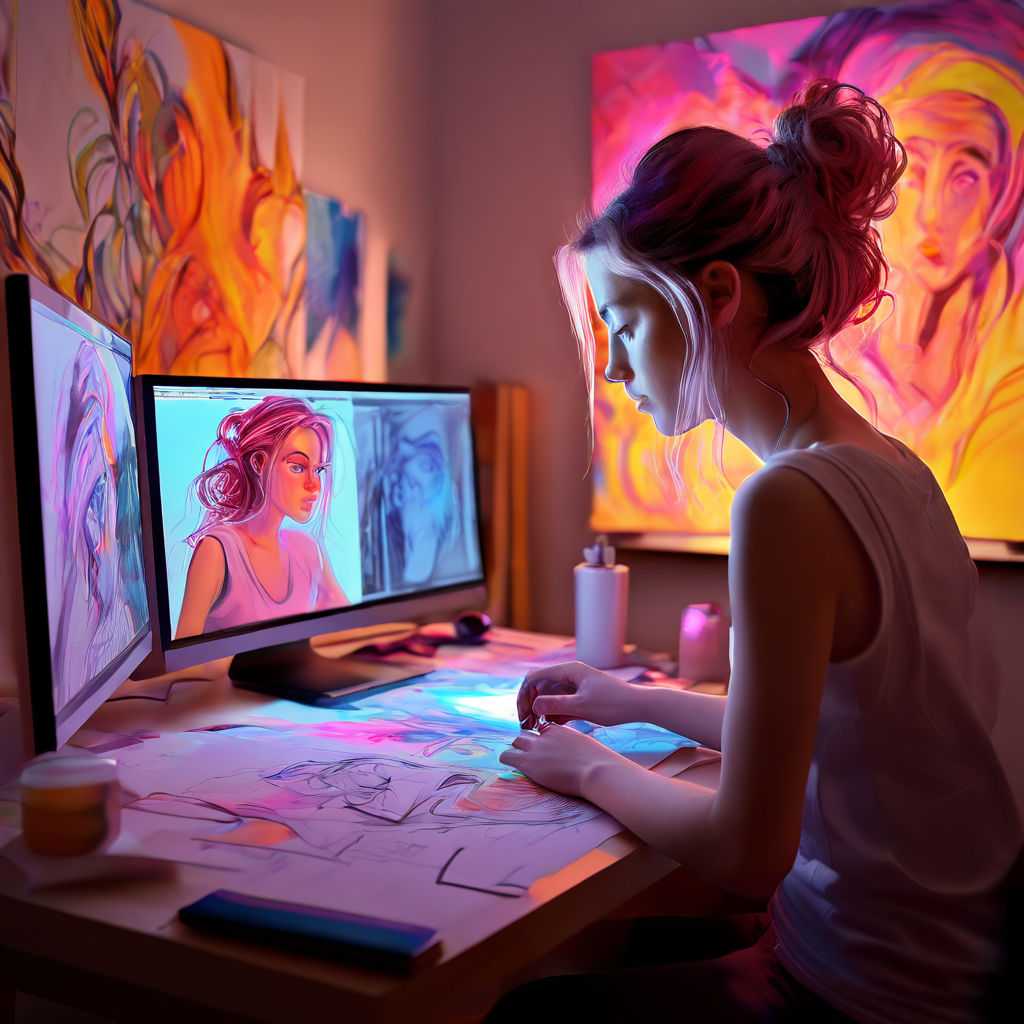
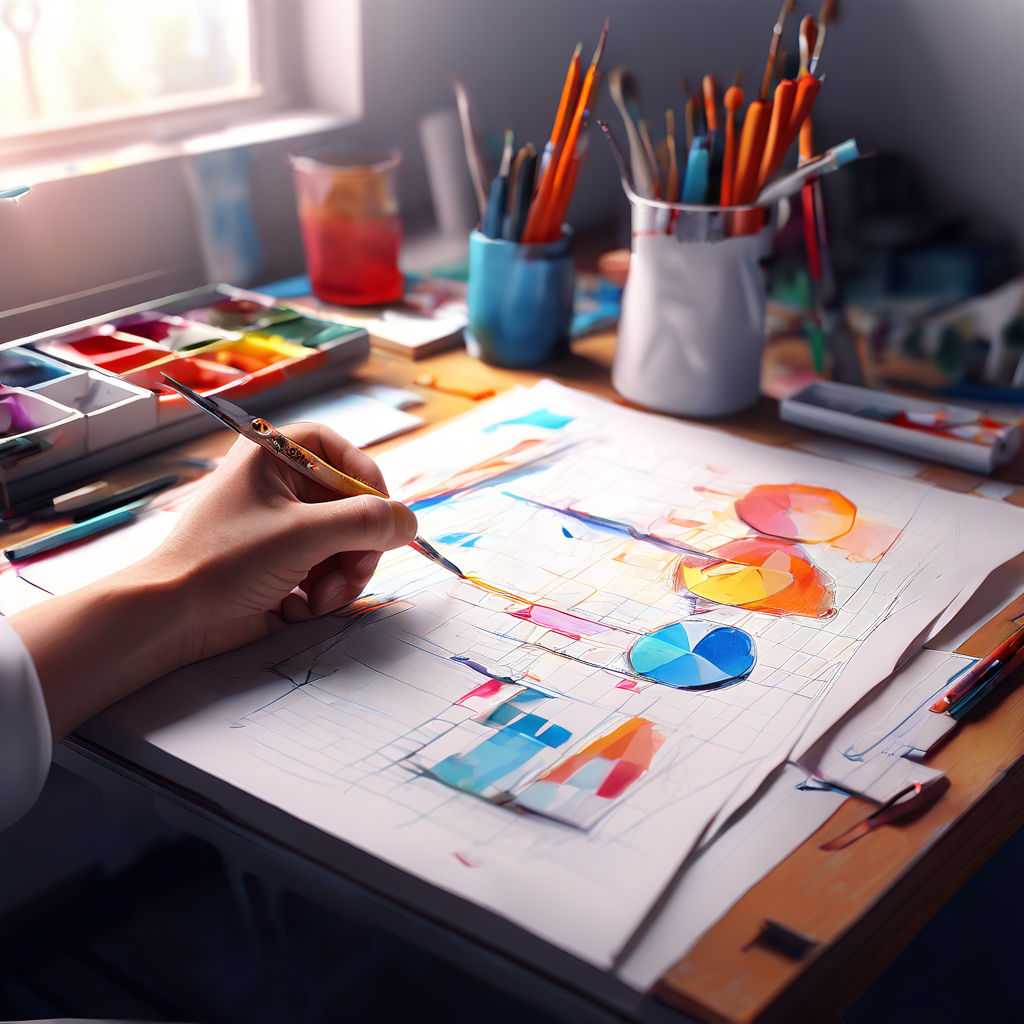
Only a few of us know much about cut-out animation because it belongs to the oldest and most unique animation art techniques. In fact, a simple cut-out animation used in your video project may help you stand out from the crowd and engage the audience like no other format. The secret is that it is a form of frame-by-frame animation which uses flat images, props, and even backgrounds cut from materials such as paper, cards, stiff fabric, or old photographs, etc. The prop will be cut out and used as a frame-by-frame puppet. Where else would you see that?
The History of Cut-Out Animation
The earliest animated films styled like that were created on the basis of the first small animated studios that emerged even prior to Disney. Thus, the world’s earliest known animated films in this genre were animated cutscenes which were made somewhere in Argentina by Quirino Cristiani, and the world’s earliest ever surviving animated cut-out film was Die Abenteuer des Prinzen Achmed (1926).
Folks from Adobe agree that ‘the oldest surviving feature-length animation is cut out animation. The Adventures of Prince Achmed was made in 1926 by German director Lotte Reiniger.’ So, since then, cut out animation has much evolved and although it may still be done mostly the old-fashioned way, it may also be replicated with computers and improve the quality or add modernity.
The benefits of using cut-out animation
Since its’ not a traditional, but cut out animation, the fact it’s a type of frame-by-frame animation in which pieces of paper (or other thin material) are cut into special shapes and placed in two-dimensional space, representing characters and objects is already a benefit. Here are some more:
Cut out animation speaks better than other
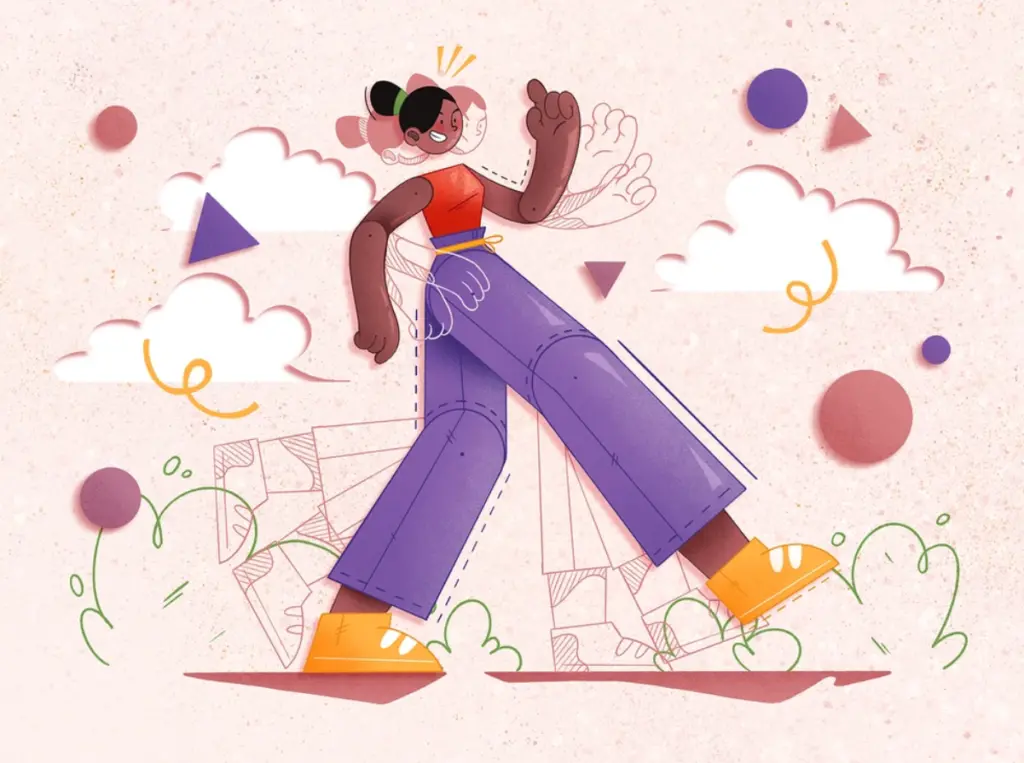
The essence of cut out animation is the fact that the character is manifested not by a single assembly, but by a collection of elements, each of which can be controlled independently of the others. For example, a turtle character can be divided into eyes, nose, lips, and so on, assigning each of the elements to its own layer. This creates extreme exposure to the viewer, is memorable and engaging more than ever.
It’s more dynamic
The bodies of the characters are usually made from several parts. The pieces are positioned and photographed once for each frame of the film. The animator moves and rotates the details with slight changes between each shot, creating the illusion of movement as the images play back quickly in succession. More details – more movements – the more dynamics.
It’s versatile
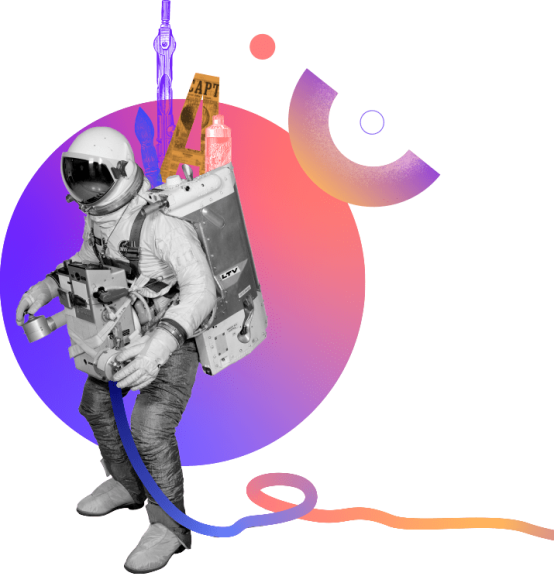
Cut outs allow you to animate photos, including portraits, figures, sketches, paintings, cartoons, and statues, etc. You may slightly rotate photo in a moving video and bring the portrait to life easily.
It better controls the movement
After all, it is very easy to implement the movement, controlling every piece by opening. In this case, if we talk about rotation, which is used very often by the natural control of the axes, so the key points are associated with, the origin, cut-out animation by its very principle implies the possibility of key frame automation.
The drawbacks of using cut-out
You may also find several drawbacks of paper cut out animation because on the background of modern techniques it may seem a really old fashioned, hard to achieve and cheap style. Not many animators work with that.
Extremely complex
It should be said that each individual element can be moved or replaced in the process, for example, to implement the opening / closing of the eyes, the animation of the pupils, lips, and so on will be extremely time eating and hard. And at the same time, you can process the character indiscriminately, that is, stretch, shrink, and rotate, and so on.
Cheap arthouse?
Although it is sometimes used as a relatively simple and cheap method of 2d cut-out animation in children’s programs, etc., cut animation is also often used as a highly artistic medium that is more clearly distinguished from hand-drawn animation.
Hard to learn
If someone is not familiar with this cut out animation technique, you simply test the start and end values to determine the fragment of time, and all intermediate frames are made automatically, etc. And no one quite knows what you get in the end.
How to create cut out animation?
To produce high quality cut out animation examples, watch instructional videos and read instructions where you will find interesting tips and tools for the technique. Here are some pieces of advice from the animator:
Research
First research on the technique to decide if it fits the project goals. Be sure to watch the video in stop-motion format, and get familiarised with whiteboards. Pay attention to the number of frames, the speed of the characters and small details. Insight in the creation of frame-by-frame animation will be no less important than in other areas.
Set the process
Good shots require the material, script, tools and light. Its amount depends on the quality of the camera on your device (phone, tablet or even a laptop), whether it will be digital or handcraft animation process, etc.
Improvise
Try different things: the number and speed of frame changes, plots, and character cut out, additional musical accompaniment, scenarios or compositions. Be aware of free space and distances between the objects, many cameras refuse to focus normally when the subject is too close to them.
Mind the speed
Most modern CGI or Flash, Harmony, cut out or puppet animation is done on 30 frames per second. There are a few that are done on 24, but I think the majority is on 30. But traditionally, animators work on 24 frames per second speed.
What is digital cut-out animation?
A digital cut-out animation is a form of stop-motion animation using flat characters, props and backgrounds which are cut from materials such as paper, card, stiff fabric or photographs, etc. These props are usually cut out and applied as puppets for stop motion. Digital animation of this type is created with the top animation tools like Adobe, Blender and other similar digital tools.
While Blender is a 3D software, it has every tool you could ever need also to create cut-out animation. It allows create great pieces from the painting editor, to the animation editors, video editor and even node-based compositing are out there for great design. The best portfolio of digital animation works may be easily created with the help of top animation instruments by professional animators.
The Greatest Example Of Cut Out Animation
Here are some bright cut out animation examples for you to look through and decide on the animation style for your project production:
1. Coco
This one is a cute paper cut out animation which was created by Katherine Manaog, inspired by her missing the dogs after she moved abroad to attend art school.
2. Once Upon a Dream
This one is a stop motion wedding film combining real-life actors and titles with the cut out animated art by Shirie Gordon-Feliks. A great example of a video within a video what can be achieved when different styles of the film are mushed up.
3. Paper Plane
The animated music video to Giangrande’s Paper Plane was a collaborative cut out animation, featuring illustrations by Felicita Sala, directed and animated by Gianluca Maruotti.
4. Josh Ritter – Love Is Making Its Way Back Home
An old fashioned whiteboard cut out animation music video, is the most noteworthy element of Prominent Figures. More than 12,000 pieces of construction paper were used to make it, with no effects added in post-production.
5. Stop Motion Paper Animation
This is a classy animation that depicts the growth of a tree and is created by a MoSoMoS Production studio.
Conclusion
Among other animation trends, cut-out animation definition is the animation technique which incorporates stop motion, as well as other animation style elements. You may easily research on it more if you look for something special for your project because a simple cut out animation used in your video project may help you stand out from the crowd and engage the audience like no other format. So, you are welcome to discover the examples, advantages and disadvantages, and inquiry on the animation design pricing to animated video production services with expert designers from Startfire in no time.