Pre-Production

Initial phase of producing an animated movie before actual animation begins

What is Pre-Production in Animation

Let’s define pre-production in animation

Pre-production in animation entails various phases. Before we dive into each phase individually, let’s look at the animation pre production definition.

ANIMATION PRE PRODUCTION DEFINITION

What is animation pre-production?

Pre-production is the initial phase of producing an animated movie before actual animation begins. In this phase, the filmmakers prepare and develop the story from scratch. They create characters, environments, and worlds that will form the foundation of the animation movie.

The pre-production phase of animation usually starts with an idea that is then developed into a story. Filmmakers need to create a compelling narrative and characters that are engaging, relatable, and appealing to viewers. They do this by writing a script, storyboarding, and creating animatics.

A successful pre-production process establishes the direction for the entire project. Poor pre-production can result in a subpar animation, poor quality visuals, or even failing to complete the project entirely.

Essential phases of pre-production in animation:

  • Concept development
  • Scriptwriting
  • Storyboarding/Creating Animatics
  • Character and Environment Design
  • Casting

Animation Pre Production Importance

The Importance of Pre-Production

Pre production of animation is so critical that it can make or break an animated movie. It establishes the overall vision of the project and sets the tone for the animation. It also helps the animators to understand what is expected of them and what they need to achieve.

The creative team, including the writer, directors, storyboard artists, and concept artists, come together to work out how the story will look and feel before the animation begins. In this way, pre-production maps out the storyboard, establishes visual themes, defines the characters, and sets the mood of the movie.

Inside Pixar

It also ensures that the animation team has clear guidelines and direction for the overall look and feel of the animation, making it easier to communicate with the entire team about the best way to proceed. It provides filmmakers with a roadmap of sorts, that can help keep the animation movie on track.

In addition to providing guidance for the team, pre production of animation can also help identify any problems in the animation process. By developing a storyboard, filmmakers can see what is working and what requires more attention. Animators can then adjust aspects of the animation before the actual work of animation begins, thus saving a significant amount of time and resources.

Pre Production of Animation

Pre-Production Stages in Animation

Pre-production is a complex process, and it typically takes several months or more to complete. The following are the stages of pre-production that filmmakers go through to create an outstanding animation movie.

Idea and Conceptualization

The first stage of pre production of animation is the idea and conceptualization phase. In this stage, filmmakers come up with an idea or story for their animated movie. They brainstorm and refine their concept, deciding on the genre, tone, and theme of the movie.

In this video, Pete Docter filmmaker and Chief Creative Officer at Pixar breaks down the inspiration for the concept of Soul. He goes into the research, collaboration, and concept development for the Oscar-nominated animated film.

Pete Docter Explains the Inspiration Behind Pixar’s Latest Film, ‘Soul’

Scriptwriting

Once the concept is in place, the scriptwriting stage begins. The screenwriters start developing the storyline and characters that will eventually come to life on the screen. A good script establishes a basis for the characters and the story.

Creating Animatics

After scriptwriting, comes the animatic stage. An animatic is an animated storyboard that helps filmmakers to visualize the story and the pacing of the animation. This stage allows them to make adjustments to the storyline, sequencing, and pacing of the animation. Take a look at how the animatic of the opening scene of Up compares to the final animation.

Up “Married Life”  •  Pixar Side by Side

Character and Environment Design

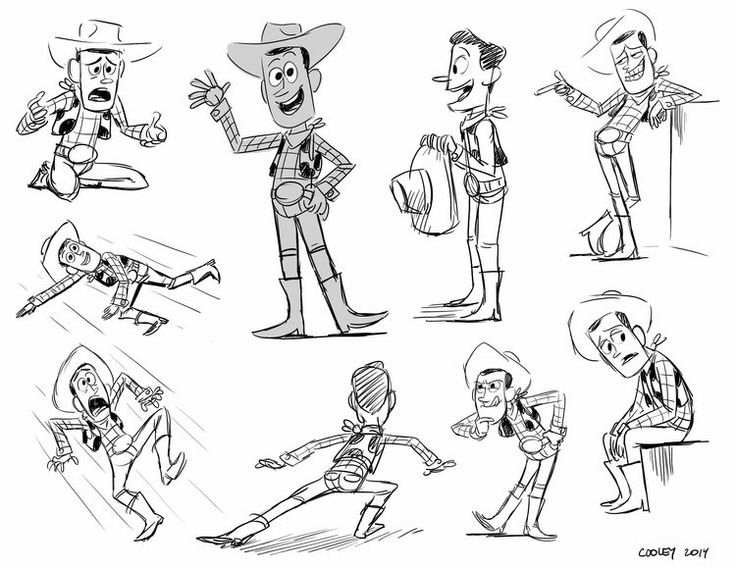
During this phase, the animators work on character design and environment design. They create characters and develop their appearance, looks and customize settings that will make the world that the characters will live in.

What is Pre Production in Animation Pixar character design Woody in Toy Story

Pixar character design  •  Woody in Toy Story

Voice-Actor Casting

During the pre-production phase of an animated film, casting voice actors is a crucial part of the process. It involves finding the right voice for each character, ensuring that they bring out the personality, tone, and characteristics that the animators have in mind. A talented casting director will scour through hundreds of auditions, listening for the right voice that will bring the character to life.

Finalizing Pre-Production

The final phase of pre-production includes hiring the team, setting up the production schedule and budget, raising funds, and creating a detailed plan. The team finalizes the storyboard and script and hands it over to the animators to start the animation.

The importance of pre-production in animation can be seen clearly in some of the most successful animated films that have been produced.

In the case of the Toy Story series, the pre-production phase was extensive, taking almost four years. Another example is the movie Frozen, which had a prolonged pre-production process, with an entire year spent on character design and creating the animation style. This pre-production time resulted in a visually appealing film that won several Academy Awards.

Pre-production is an essential phase in the animation movie-making process. This phase sets the foundation for an outstanding animated movie.

Up Next

What is Animation?

Pre-production is only one component of creating an animated film. For a full history and breakdown of the various types of animation, check out our next article where we dive deep into the world of animation.

If you’re delving into the world of animated video production, you’ll quickly find out that it’s a vibrant, flexible medium for storytelling. While the visuals might capture the viewer’s attention, it’s often the voice-over that pulls them in and guides them through the narrative. In essence, the voice-over is the unseen actor, subtly delivering the story from behind the scenes. Let’s talk about how it forms an integral part of any animated video and how to use it effectively to bolster your content.

Firstly, let’s think about voice-over as your video’s guiding star. It’s the steady light that takes your audience through the twists and turns of the narrative. Your viewers depend on the voice-over to understand what’s happening on the screen, to make sense of the animation’s plot, and to follow along with the key messages you’re trying to convey. Without it, they could easily get lost or, worse, lose interest.

The voice-over can give life to the characters in your animation, adding a touch of humanity that makes them more relatable. When your characters speak, the audience can connect with them emotionally. This emotional connection, in turn, strengthens the viewer’s engagement with your video. Remember, it’s the voices of the characters that often linger in the minds of the viewers long after the video is over.

Next, voice-over enhances the rhythm and pace of your animated content. When carefully chosen, the voice-over can set the tempo, either speeding things up with quick, energetic lines or slowing it down with calmer, more thoughtful narration. This tempo can significantly influence the mood and overall feel of your video, helping to create a more immersive viewing experience.

Furthermore, voice-over brings an extra layer of richness to your content. Even in the absence of words, a well-timed sigh, gasp, or laugh can add nuance and depth to your animation. It offers a multi-dimensional viewing experience and can often convey what mere visuals cannot.

Now that we know the importance of voice-over in animated video, let’s touch on how to choose the right voice for your project. When selecting the voice, think about the nature of your video. Is it serious or playful? Is it aimed at children or adults? Are the characters human, animals, or fantasy creatures? The answers to these questions will guide your choice of voice-over. The voice should not only match the tone of your video but also resonate with your target audience.

Engaging a professional voice artist can be a good move. They’re trained to deliver lines in a way that’s clear, impactful, and expressive. Also, they can add variation in pitch, volume, and speed to bring out the right emotions. Remember, the goal is not just to tell a story, but to tell it compellingly.

At this point, you might be thinking, “That sounds great, but what about the script?” An excellent question! Crafting a compelling script is just as crucial as choosing the right voice. Your script should be clear, concise, and easy to understand. It should clearly convey your key messages while also engaging the audience emotionally. Avoid jargon and overly complex language; remember, simplicity is key.

When writing your script, keep in mind the timing and pacing of your video. A voice-over artist can only read so fast while maintaining clarity, and the animation should not rush or lag behind the voice-over. Aim for a natural rhythm that complements your visuals.

Last but not least, always consider quality. A high-quality audio recording is essential. Any noise, echo, or distortion can distract your viewers and ruin their viewing experience. Therefore, ensure you use high-quality recording equipment and sound editing software to produce a crisp, clear voice-over.
Pre-Production
Pre-Production

Examples of Pre-Production:

Scroll to Top

Let's start!

Made once - used many times

This site is protected by reCAPTCHA and the Google Privacy Policy and Terms of Service apply.