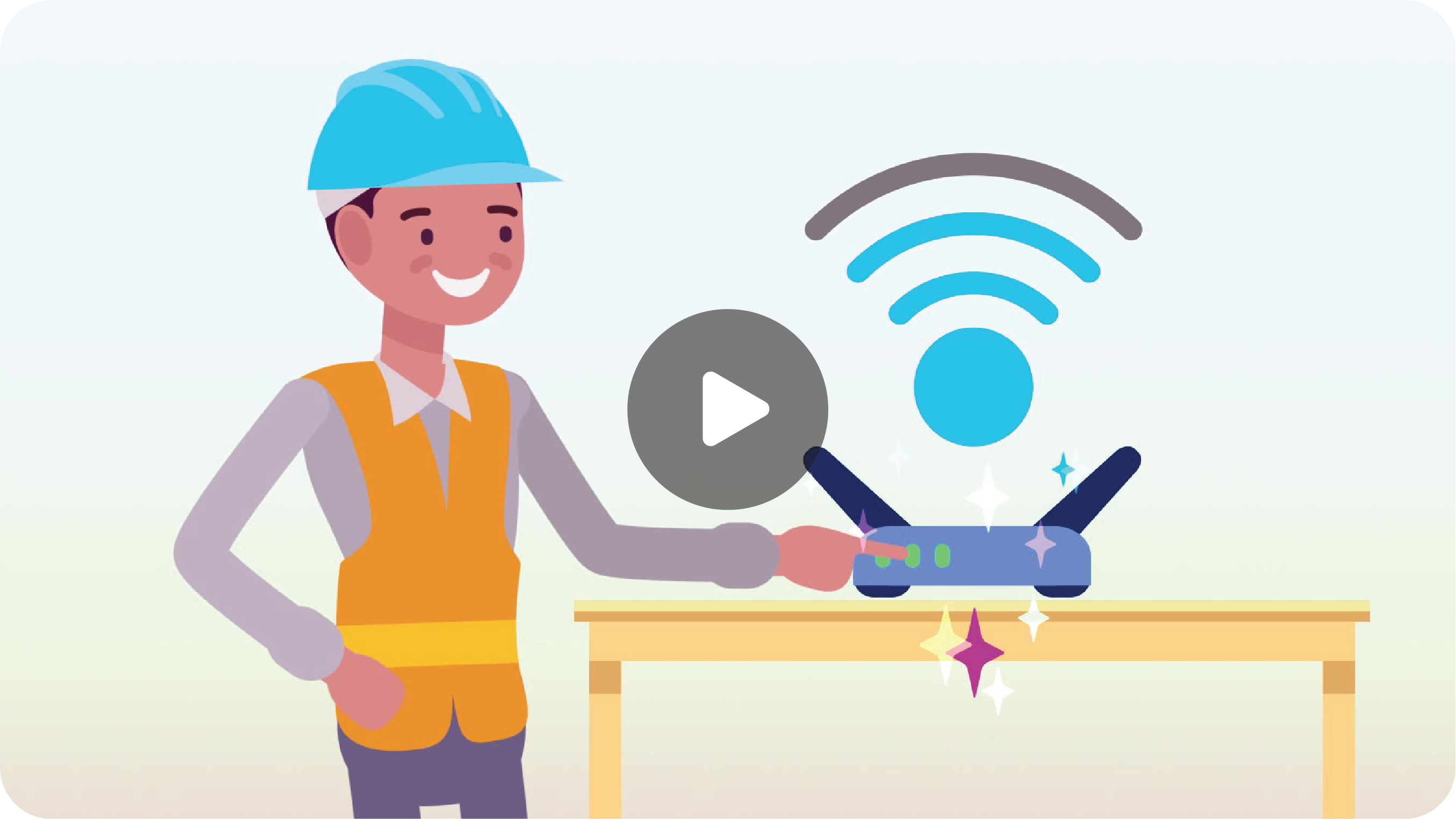
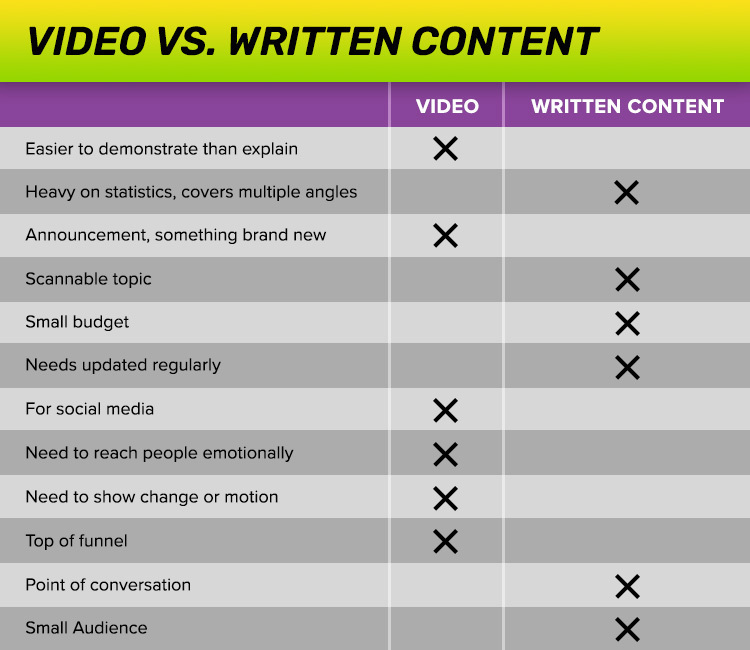
Educational video production is more important than ever, as content sites like YouTube and Vimeo and streaming services like Netflix boast monthly audience numbers in the billions. People seek out tutorial videos, product videos, and online courses to learn or be trained on specific topics. We’ll cover what educational video production is and how it can be used effectively for three specific target audiences:
- Students
- Employees
- Customers
What is Educational Video Production?
The most effective educational videos combine best practices in videography with learning design principles to ensure learners retain and apply information through auditory, visual, or kinesthetic means. While the chief objective is retention, a tremendous amount of time is spent making the video content highly engaging because memorability and completion rates soar when viewers find content interesting.
The learning design process focuses on the learning objective, the subject matter, and the proper sequence to deliver the content. The video production process uses advancements in technology like cinematic cameras, animation, motion graphics, sound effects, creative styling, and generative AI to bring the content to life.
Compelling video without proper learning design will at best entertain learners, and at worst, confuse them. Similarly, learning design without engaging video will lose waning attention spans, decreasing retention. Combining the two makes educational video production truly effective.
(See educational video production examples below).
While the principles remain consistent, the applications differ dramatically depending on who the content is designed for. We’ll dive into these differences and outline best practices, examples, variations, and how to create a rich learning experience for your audience.
Educational Video Content for Students
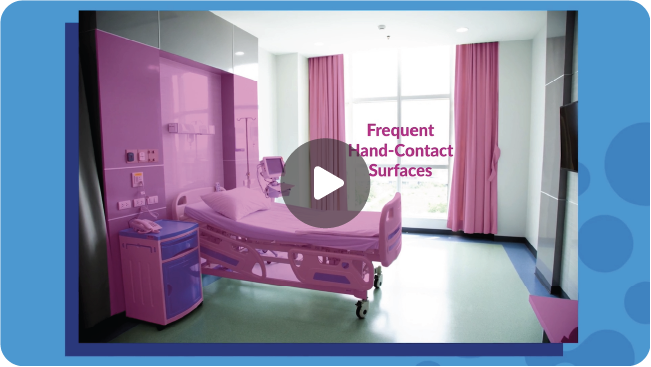
Course intro video for Society For Healthcare Epidemiology of America
Let’s start with students. Students today are using educational videos as a tool for learning everything: from basic skills – like changing a tire – to dances on TikTok. Remarkably, in 2022 online videos had an audience reach of almost 93% among internet users worldwide (Statista, 2022). Complex concepts that once seemed difficult to teach and learn are now more accessible and understandable thanks to the availability of effective educational video platforms for online learning.
Studies have shown that the use of short video clips (or microlearning) allows for more efficient processing and memory recall. The visual and auditory nature of videos appeals to a wide audience and allows each user to process information in a way that’s natural to them. There are many types of educational videos. They could be instructional videos, explainer videos, animated videos, or live-action videos. In a nutshell, videos can be effective teachers.
The use of videos in teaching and learning serves to not only benefit students, but also teachers, their affiliated institutions, and the entire school system. A 2022 study conducted by software company Kaltura concluded that 97% of education professionals believe that video is essential to students’ academic experiences. They also serve to break down barriers, such as student and campus location, which were once insurmountable.
As a result, educational institutions are faced with the task of meeting the rising demand for high-quality videos, online course offerings, and campus accessibility. Indeed, many are choosing to create their own educational video-learning materials. While this may seem daunting, it can be a positive and enjoyable experience if you contract a trusted educational video production company that can tailor your videos to your institution’s individual needs.
Using Video Content In Learning: Theory, Research, and Practice
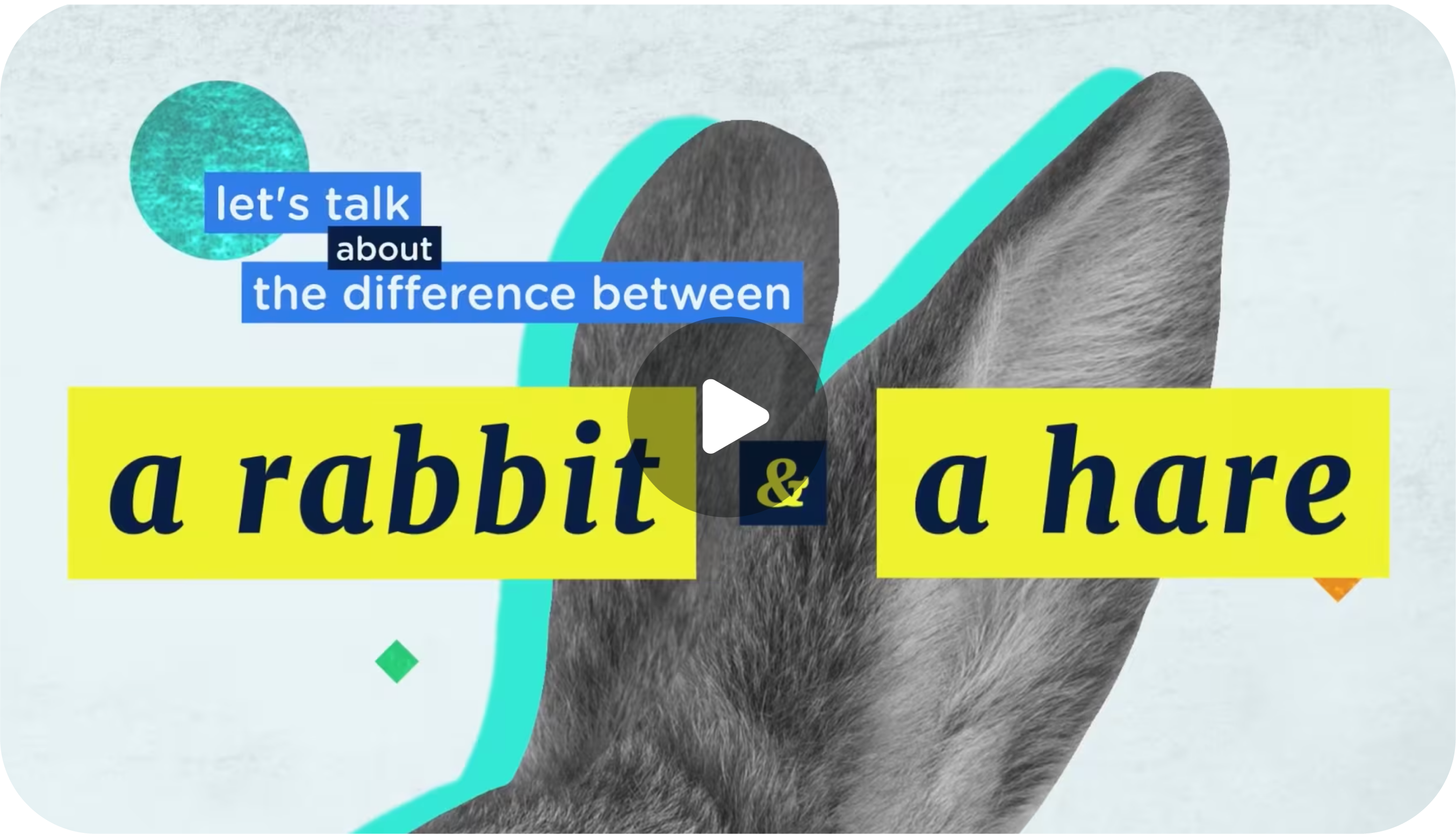
Educational video example using creative animation for Encylopedia Brittanica.
Cognitive science is an area that focuses on how humans process information. The science behind educational video content is that, since they are observed through both the visual/pictorial and auditory/verbal processing channels, learners can make more relevant associations that help with memory and recall. It also supports different learning styles.
To maximize retention and processing, the following four methods are best practices to employ when designing and creating effective e-learning videos:
- Signaling: This is done through the use of on-screen text, graphics, or motion graphics. It directs the learner’s attention and highlights the specific information that needs to be processed.
- Segmenting: Information is divided into appropriately sized chunks, to give the learner more control when trying to process it. This is achieved through the effective management of video length and the use of breakpoints or pauses throughout.
- Weeding: The removal of any unnecessary information in a video that may hinder the learner’s ability to process and recall the information. Weeding maximizes learners’ memory capacities for both the auditory and visual channels.
- Matching Modality: This refers to presenting information in a way that targets both the auditory and visual channels simultaneously. An example of this would be providing a narration while showing an on-screen animation. This serves to increase processing in the working memory and prevents cognitive overload, especially for complex topics).
Here are best practices when creating an effective and beneficial educational video project:
- Limit videos to about five minutes or less, unless you are trying to relay a great deal of information.
- Maintain a conversational and enthusiastic tone to keep learners engaged.
- Properly balance auditory and visual elements throughout.
- Break videos into short segments by topic or theme.
- Include interactive elements and responsive features, such as short quizzes, to promote reflection and ownership.
When using video clips in the classroom, shorter clips (around five to 10 minutes) help students learn the information without being overloaded or losing their focus. Longer videos are also effective, but no more than 30 minutes. Showing video clips in short segments and keeping the total length contained to a concise running time helps to keep viewers engaged.
Using captions and subtitles with videos has also proven effective in helping students access and process information. This is especially important when considering diverse student populations, including non-native English speakers and those with special needs.
Educational Video Content For Employee Training
Video has long been a component of corporate learning, but only recently has it progressed to role-specific learning journeys that incorporate interactives, scenarios, and microlearning.
Many of the asynchronous best practices in the student section apply to employees, but the applications differ.
Employee Training Areas
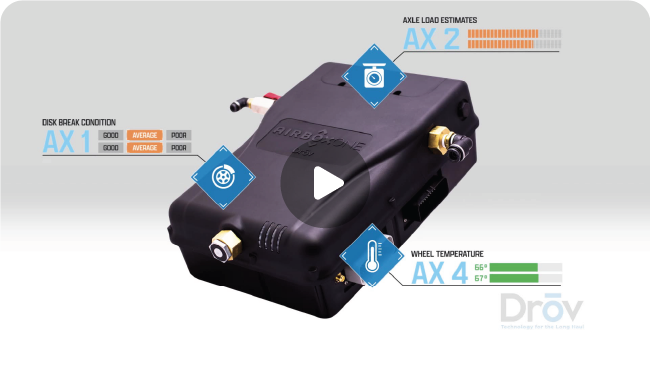
Product training example video for Drov.
Onboarding and orientation training, where new employees are introduced to the company’s culture, policies, and procedures. Videos can effectively communicate the organization’s values and goals, helping new hires feel connected and informed.
Product or service training. By showcasing product demonstrations or explaining complex processes through videos, employees can easily understand and learn how to effectively promote and sell the company’s offerings.
Compliance or safety training, ensuring that employees understand and adhere to legal and regulatory requirements. By presenting information in a visually engaging manner, videos can help employees grasp complex compliance topics and remember important guidelines.
Soft skills development, such as communication, leadership, and teamwork. Through role-playing scenarios and interactive exercises, employees can enhance their interpersonal skills and improve their overall performance.
Ongoing professional development and continuous learning. By providing employees with access to a library of training videos, they can continuously expand their knowledge and skills, staying updated with industry trends and advancements.
Training Types
Interactive example for logistics and trucking company
Interactives. Incorporating interactive learning into the videos can significantly enhance engagement and retention. This can include quizzes, interactive simulations, branching scenarios, or opportunities for employees to provide feedback or ask questions. By actively involving employees in the learning process, videos can become more memorable and impactful
Microlearning. Microlearning involves delivering content in short, bite-sized modules that can be effectively implemented with videos. By breaking down training materials into smaller chunks, employees can easily consume and retain information. Videos can be used to deliver concise and focused content, ensuring that learners are not overwhelmed with excessive information.
AI-Enhanced learning. What’s the biggest challenge in scaling great employee training? Personalized practice and expert feedback. AI-enhanced learning is designed to accelerate learner performance by allowing employees to practice in realistic scenarios and then instantly receive personalized feedback based on company performance standards.
NOTE: Videos, interactives, and AI-enhanced training can be hosted on a company’s LMS to track meaningful metrics like completion rate, time to complete, right and wrong answers, and challenging questions.
Educational Video Content For Customers
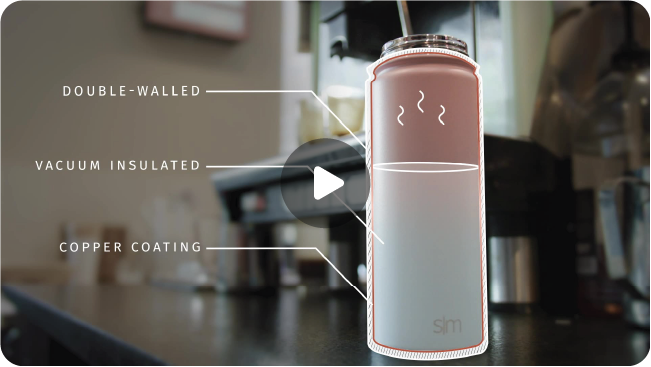
Lifestyle product marketing video for Simple Modern.
The best marketers know that customer education is power. The more the customer knows how your product solves their problems, the more likely they are to buy.
Here are the benefits of high-quality video content in your marketing strategy.
Increased Engagement: Video content is highly engaging, leading to increased user attention and interaction.
Higher Conversions: Video marketing can significantly improve conversion rates, as viewers are more likely to purchase after watching a video about a product or service.
Improved SEO: Websites with video content are more likely to land on the first page of search engine results, leading to a significant boost in traffic and visibility.
Brand Awareness: Video content is a powerful way to increase brand awareness and create an emotional connection with the audience. Viewers retain a high percentage of the message when watching a video, making the brand more memorable.
Accessibility: Video marketing allows companies to reach a wider audience more effectively, including those who may not speak the same language or have varying levels of literacy.
Social Sharing: Videos are highly shareable on social media, increasing visibility and engagement with little to no extra effort.
Building Trust: Video marketing helps build trust with consumers by showcasing the quality of products or services and providing a more personal and authentic interaction.
Popular Marketing Video Types
Animated explainer example for Dobson Technology.
Animated explainer videos, creatively explain products, benefits, or processes in 2-minutes or less. They are a marketer’s best friend because some marketing ideas are cost-prohibitive to create. With animated videos, it’s possible.
Testimonial videos combine positive reviews with case studies to create a persuasive and empathetic marketing asset that can be easily shared and found.
Product videos. Product tutorials can often be step-by-step instructions on product usage, assembly, or process. 70% of customers feel that product videos help inform their purchase decisions.
Brand videos. These videos focus on the feeling brands want to instill in their customers—less about features and more about the experiential benefits of a product.
Finding The Right Educational Video Production Company
Often education, training, and marketing teams seek outside help from trusted partners who can increase their team’s capability and capacity efforts. Educational video production services vary greatly by project type, but a good partner will have both a broad application and a deep expertise.
A Few Highlights:
Review their portfolio and case studies. Look for the partner’s competency in creating engaging content that solves specific needs, as well as if they serve your industry or adjacent industries.
Learning objectives. Communicate what you want your audience to walk away with. A good partner can help architect the learning design for any video, but especially for longer series.
Subject matter. Is someone in your organization the subject matter expert, or do you need help finding a SME to provide the core content?
Video production process. Make sure they outline the timeline and production process from storyboarding, scripting, voiceover, and production to post-production and final product delivery.
Pricing. Educational video production costs can vary greatly depending on video length, video number, complexity, and location. A good partner will provide comprehensive but transparent pricing.
Do you have an educational video project you need help with? Get started in your search for the right partner by contacting NextThought, your custom learning company specializing in engaging educational videos, interactives, and beyond. We have the privilege of partnering with top organizations like Amazon, Cummins, Encyclopedia Britannica, Red Devil, McDonald’s, and the US Postal Service.