
Stories have always been an inseparable part of human nature; there is no connection stronger than storytelling among us. We are all storytellers, telling stories every day, mostly to ourselves; to remember, imagine, conclude, or entertain.
A story is basically a depiction of a journey in which we follow a character or a group of characters as they pursue something up against certain obstacles. Through stories, we can narrate real or imaginary events, involving real or imaginary people.
When it comes to storytelling, 3D animation opens up new and fascinating possibilities. It’s a delicate and less confronting medium, in which even the smallest of details can be fine-tuned.
How to write a story for a 3D animation project
A good story captures the audience’s attention and leaves them wanting more. However, creating a good story for a 3D animation is not easy; it is in fact the biggest challenge a 3D animation studio faces when creating a new product, no matter how big or small. Animation studios like Dream Farm look for original stories that can capture the attention of the audience and engage them emotionally; that’s why they invest heavily in the “story creation” phase of their production pipeline. No 3D animation can manifest its full potential without a powerful story.
For an audience to be truly engaged, stories must have certain qualities such as well-developed characters, well-designed conflicts, and satisfying conclusions. Building all of these dynamic elements and weaving them into an original story with the power to hold the audience’s interest through 3D animation can take a huge amount of time and energy, but it’s definitely worth it.
8 steps on creating a story for animation
People talk about the magic of animation all the time; a huge part of which is embedded in the story. The magic of animated storytelling happens when you get the right people together in order to implant the right qualities in an idea and develop a powerful story through teamwork and multiple revisions.
In the 3D animation pipeline, the next step after coming up with ideas is putting them down on paper. Translating the story from your brain into written words will reveal a lot. This is especially important when you have dialogue in your animation.
Certain elements can take your storytelling to the next level and pave the way for its success. These elements might have different weights in various productions but they are essential to almost any successful 3D animation story.
1. A burning core
Your 3D animation story should have something to say at its heart: a central concept, theme, meaning, message, truth, or perspective. It represents the emotional core on which everything else hangs; the belief burning within your idea that your story will feed on. Characters, environments, even the plot, all aspects of the story are there to support that belief, not to change it. It’s better to keep your core idea short and sweet.
Why must you tell THIS story?
If you don’t know the answer to this question, you’d better go one step backward in the pipeline, come up with a good idea and start over from there.
2. Well-developed characters
A story is all about its characters; if you don’t have a good character, you don’t have a good story. Developing characters for animation is about creating the illusion of a full personality with usual human complexities. Give your characters a unique voice and opinion; challenge them, force them into making decisions. These complexities will make your audience engage with your story.
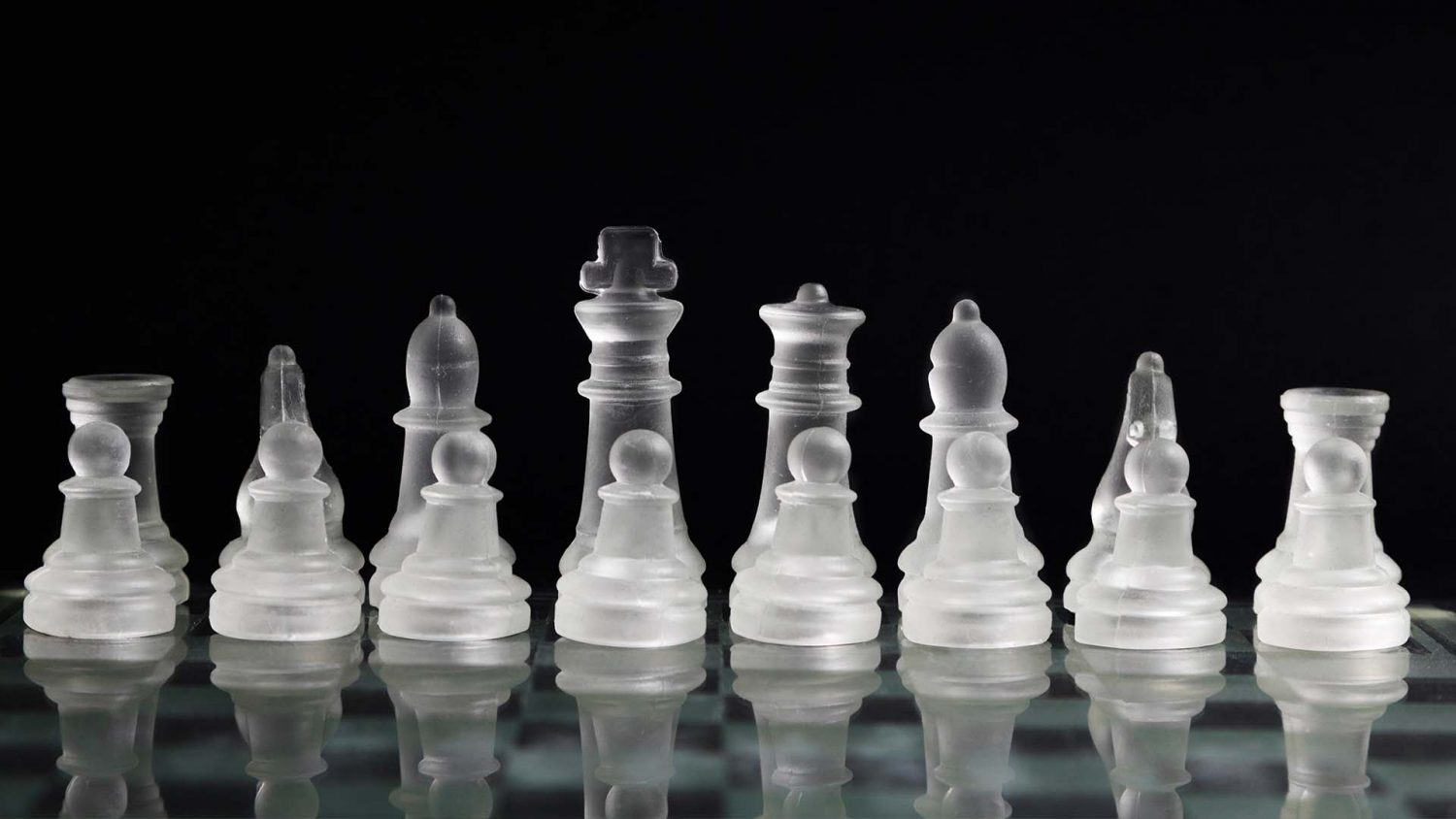
To fully develop your characters, make sure you create a “character profile” for each and incorporate the following items:
- Name
- Description
- Desires
- Habits
- Traits
- Personal Details
- Goals & ambitions
The main character of your 3D animation has to be interesting enough to hold the attention of your audience throughout the story. On the other hand, the audience should be able to relate to them in some way. Your characters can be exceptional in many ways, but even one relatable trait will allow the audience to connect with them.
To further develop the main character, other character archetypes can be used too. These complimentary characters will be involved with the main character and serve a purpose as well. However, you should not include unnecessary characters in your story; each character “must” have a purpose. If they make little or little contribution to the story, you have some reconsideration to do.
Some character archetypes that can help you develop your story are:
- The sidekick: a supporting character for the main character to learn from or lean on.
- The villain: the opposite of the hero, trying to stop or destroy him.
- The shape-shifter: a character who is not who he seems to be when introduced
- The challenger: a person, creature, or event that the hero must overcome.
- The trickster: a character who tries to trick or outwit the hero.
3D animation also gives you the power to use the visual elements of the 3D medium to your advantage in character design and animation; an opportunity that should not be missed at all.
3. A well-described World
The world in which the story takes place, whether literal or figurative, is an important element of a 3D animation. To create a powerful story, you have to fully define your world and know its rules inside out; there is no other way. Defining your world properly at this stage will also help you with the rest of your 3D animation pipeline later on.

A decisive difference in 3D animated storytelling is that the laws of the real world do not apply to 3D animation. With complete control over the 3D world, the animation studios or the creators of a 3D animation decide which rules should be present and which ones should not; with the only limitation being their imagination.
3D animation technology leaves you with literally no restraints in visual creation; so consider a fascinating setting that adds to your plot to the fullest and influences your story in the best possible way. Think about how the setting can impact your characters and their interactions.
4. An engaging Conflict
The goal of the main character can be anything he wants and is willing to overcome obstacles for: a valuable object to obtain, an important event to attend, or an accomplishment to gain. Pursuing the goal by the main character must rise at least one conflict in your story or it would make a boring animation to watch.

A good story is fueled by conflict, by someone wanting something and trying to achieve it in spite of the obstacles. The more your audience can relate to the story’s conflict and the main character’s efforts to resolve it, the more compelling your story will be for the audience. Providing details about characters, their feelings and places are not enough; conflicts add drama and make the story worth watching.
The following conflict types are the basic ones; make sure one of them is present in your story as the main conflict:
- Man against man (external): This type of conflict involves characters against each other. The conflict may be direct, or it may be a more subtle conflict between the desires of two or more characters.
- Man against nature (external): In this type of conflict the character struggles against an animal or a force of nature, such as a storm, tornado, or snow.
- Man against himself (internal): This type of conflict is the hardest to animate: The character must overcome their own nature or make a choice between two or more paths: good and evil; logic and emotion, etc.
5. A logical storyline
This one is universal in storytelling and might seem basic. Storyline refers to the sequence of events inside a story where each event affects the next through the principle of cause-and-effect. That’s why nearly all stories sound similar in terms of structure.
Your story must follow a logical sequence including:
- a beginning
- a middle
- an ending
Otherwise, it would be incomplete. Coming up with the ending before figuring out the middle can help shape the story better. An ideal story usually fits into the following structure quite easily:
“Once upon a time there was ___. Every day, ___. One day ___. Because of that, ___. Because of that, ___. Until finally ___”.
6. A standard narrative Arc
Without all of the above three parts, it would be difficult for the audience to understand what’s happening in the story. But a story requires more than just these three simple elements. The next layer is the narrative arc which carries the tension level of the story and will unfold fully in the next step of the 3D pipeline: Scriptwriting.
For example, a typical feature film may start with an exciting opening to grab the attention of the audience and encourage them to keep watching. Then a small fall in tension follows that gradually builds up again through multiple crises, each one bigger than the last. Then it’s time to present the final confrontation. In the end, tension falls again.
Make sure your story has a standard narrative arc, capable of keeping the audience engaged to the end.
7. A plausible character Arc
Characters are the main drivers of the story and “change” is an indispensable part of their journey; especially the main character. Besides the narrative arc, the changes your characters undergo manifest themselves in the “character arc” in a similar manner to the following:
First, the character arc is established for (at least) the main character within the exposition of the environment. Later, a dynamic incident occurs that challenges the character. Their attempts to deal with this incident lead to a more dramatic situation. After this turning point, life will never be the same for them. A dramatic question is raised here that will be answered in the climax of the story.
Second, the main character attempts to sort out the problem raised by the turning point. However, the attempts only worsen the situation, leading to the learning of new skills or discovering new capabilities and a raise in self-awareness of the main character.
Third, the character gains a new sense of who they are becoming. The character arc’s emphasis shifts from the learning of new skills or the discovery of new capabilities to an awakening. This higher level of self-awareness changes who the character is becoming in return.
Remember: every aspect of the story, including the character arc, must comply with your core idea. Conveying multiple or even conflicting messages can easily discourage the audience and ruin your story’s credibility.
8. A fascinating depiction of the impossible
Many 3D animation studios have come to believe that a realistic 3D animation works best in live-action, where the audience doesn’t notice the unreal nature of what they see. Ironically, creating an absolute imitation of reality in a 3D animated feature or short film often looks unappealing and fails to attract the attention of the audience (thus, performs poorly in the box office).

The true power of the 3D animation medium emerges when combined with a story set in a fantasy world that could never be fully depicted in live-action. This applies to literally every single aspect of a 3D animated video, especially the story. There must be elements in your story that can leverage the unique characteristics of 3D animation, such as exaggeration.
The level of exaggeration used in 3D animation might vary in different products to a huge extent, from presenting reality in a wilder and more extreme form (the classic definition of an exaggeration) to supernatural or surreal alterations in the physical features of characters, setting, or the story itself. Although, it is important to employ a balance in how those elements are exaggerated in relation to each other.
Conclusion
The story is an important tool to add meaning and emotion to a 3D animation experience. A flawed or ill-shaped story can easily annoy the audience and disrupt the experience immediately. By following a certain set of rules you can avoid wasting time and resources on a project which is destined to fail.
Coming up with the right story for a 3D animation takes a considerable amount of time and demands numerous rewrites. Technology helps speed up the process, however, finding out what works best has its own ups and downs. During the process, a lot of great ideas will come up but cannot survive if they don’t serve the story.
Collaboration without complicating the flow of ideas is crucial in the story creation phase. The creative team working on the story of a 3D animation must be constantly tearing down ideas until finally a winning version of the story is shaped in accordance with the original idea created in the idea generation phase of the production pipeline.