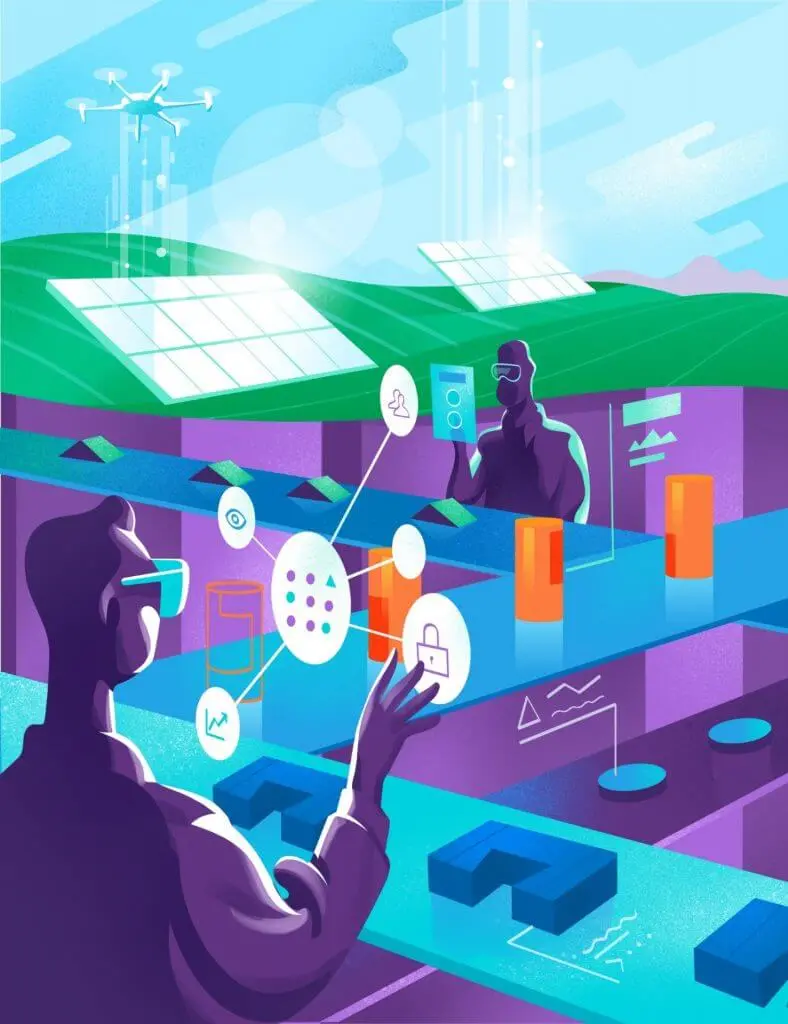

Full cycle of production

For marketing, education, employee onboarding, and other purposes.

Why is it Important to Have a Defined Video Production Process?

First of all, it’s much easier to accomplish anything if you have a plan. A well-defined strategy gives you more confidence in the final result as you know what to expect and prepare for.

Before jumping into video creation, you need to understand that great videos are not coming out of the blue. There is always a team (even a small one) that stands behind the production process and plans each second of the video. A poorly planned video usually leads to its re-shooting and, as a result, takes more time and resources. So here’s why a defined video production process is crucial:

  • It helps you stay within a budget and deadline
  • You will understand the main objective of your video and its target audience
  • The whole video production team will stay on the same page
  • You can make the changes before the actual video production begins
  • Your video will achieve a better ROI

An effective video always starts with the “why”. Before creating a strategy for any video, you have to answer the following questions:

  • What is the main goal of your video? Is it informational, entertaining, or marketing?
  • Who is your target audience?
  • Why should people watch it?
  • How will you keep their attention?
  • What is the main message you want to express with this video?
  • What should the viewers do after watching this video?

After you have answered the questions above, proceed to build a video strategy.

The Key Stages of the Video Production Process

The process of video production consists of 3 stages: pre-production, production, and post-production. Let’s dive deeper into each of them.

Pre-production

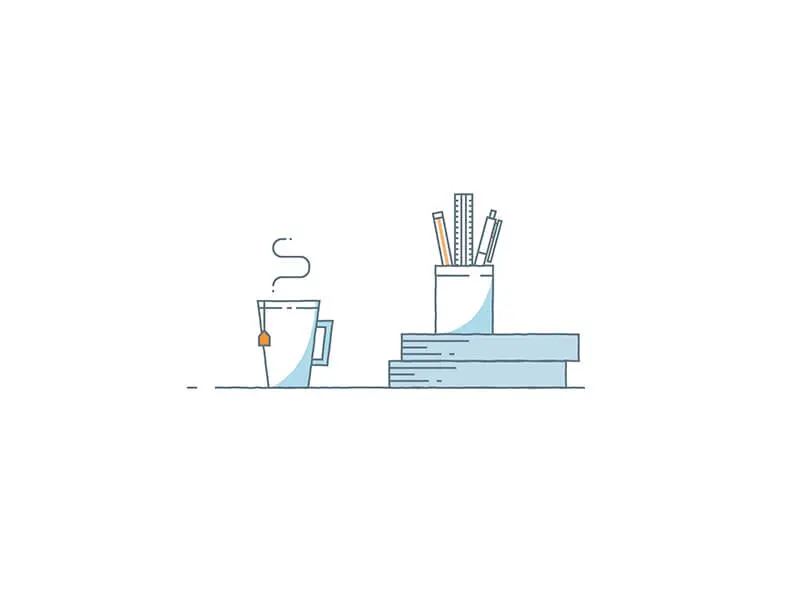
A Full-Cycle Video Production: Main Stages You Need To Know 21
Illustration by Kasra Design™

What is pre production? The pre-production stage is all about creating a plan for your video. During this stage, you need to come up with video strategy/goals, decide on the budget/scope and timeline, create a script, create a list of the necessary equipment, and choose a shooting location. Here’s what you need to start with:

  • Compose a video production brief

Remember we have defined the main questions you need to answer before creating a video strategy? A video brief is a summary that includes your responses to these questions. It should cover your video’s goals, target audience, core message, budget, and deadline. Also, you need to include how you will measure the video’s success and the main metrics you’ll track.

  • Write a video script template

A video script template is a step-by-step instruction on how your video will run, its narrative, and its core message. Usually, video script templates include such elements:

  • Descriptions of your scenes
  • Dialogues of your actors
  • Actions they will perform
  • Instructions and camera cues
  • Post-production editing instructions
  • Create a storyboard

A storyboard is the visualization of your video. Try to imagine each shot in a very detailed way. Where do the subjects need to be located? What are the lightning, coloring, and framing? What is the location? A video storyboard resembles a comic strip. Each frame shows people or subjects in the scene, locations, what is being said, and literally everything that appears on the screen. Include all of the shots and describe them as much as possible.

  • Come up with the list of equipment and cast talent

Refer to your storyboard and create the list of equipment to shoot the video. Then, it’s time to decide on the crew. Consider how much information you need to present or act on screen and how many people it requires. Also, don’t forget about voiceovers.

That’s what the pre-production stage is all about. However, don’t be scared. It’s not as difficult as it may sound. You shouldn’t strive to make your video strategy perfect from the first try. The main advantage of creating a video plan is that you can always change it.

Schedule a call with us
#Management

Pick your time

Production

A Full-Cycle Video Production: Main Stages You Need To Know 22
Illustration by Hurca!™

Finally! It’s time to shoot your video. The strategy is ready, and your task is to ensure that everything you and your team do aligns with it.

  • Set up the lights

Make sure you’ve spared time to light each setting in every location. This should be done beforehand, so take into account the setup time and the amount of setup.

  • Set up the camera

Schedule enough time to set up the camera, depending on the complexity of your shoot. You may hire a professional cinematographer who will prepare a complex set-up or make it as simple as just using a tripod or building a crane.

  • Control your team

You need to manage the process and make sure your crew follows the script. The way they deliver the script directly impacts your video’s speed, dynamics, and style.

Post-production

A Full-Cycle Video Production: Main Stages You Need To Know 23
Illustration by Ana Hill

What is post production? The post-production process is all about polishing your video. That’s when you take your best shots and stitch them together, edit everything, make a voiceover, add music and special effects, and enjoy the final result. Here’s what you should do during this stage:

  • Stitch your best shots together

In other words, edit your video. You can cut each clip down to its most essential parts and compile them into a rough timeline.

  • Add graphics, music, and special effects

Graphics, animation, and animated text will bring your video to the next level and evoke more emotions in those who view it.

  • Color your footage

Depending on your goals and budget, you can use the auto-coloring feature on Adobe Premiere Pro or hire a professional who will color your video shot by shot.

  • Render your video

Now it’s time to render the video in the format you need. For such platforms as YouTube, Facebook, LinkedIn, and Twitter, the mp4 format works best. If you want to use it for Instagram, make sure it can be cropped into square or vertical video aspect ratios. A vertical video aspect ratio is needed for a Snapchat or Instagram story.

Wrapping Up

As you can see, the video production process consists of several steps you need to complete. However, each step brings you closer to the desired result, so try not to miss these stages and spare enough time to create a well-planned strategy for your video.

Remember that a video production strategy will save your time and resources and make your production process more organized and effective. As a result, the video will represent your product or business in the best way possible.

Don’t have time to create a strategy for your video? Why not hire a professional instead? Our team at Explain Ninja will help you envision your video, create your requirements outline and help you choose the right format, style, and visuals. Sounds interesting? Contact us to discuss details!

How Pixar creates great characters?

How Character Design Begins

After scrutinizing character backgrounds, there are other important visual elements that character designers need to keep in mind when starting production. Most of these considerations are audience-related, and character designers will want to understand how audiences perceive characters.

Firstly, the first impression is everything. Character designers must consider how to express the character’s personality by exaggerating certain characteristics.

Character designers usually spend a lot of time on this initial step, creating countless versions of the same character, changing detail after detail, until they have a sketch that best describes the character’s essence and background.

Second, character designers need to get creative for their work, but they must also obey basic natural rules. Of course, if some creature is a completely whimsical mythical beast, it may not correspond to any existing human or animal proportions.

Tutorial How Does Pixar Create Great Characters 11

However, all characters must eventually fit into the universe – where their particular story takes place. Armed with a solid understanding of how a character will look, a designer can start creating thumbnails, which are basic versions of sketches that communicate important details about a design to the audience.

At this stage, designers tend to focus on the silhouette of the character.

Tutorial How Does Pixar Create Great Characters 2

In other words, if a pirate’s entire shape is a shadow, and only the shape (no color or detail) defines it, will its thumbnail still look like a thief on a ship? Or does it look like a big black lump?

To answer these questions, designers must pay attention to white space (empty space around a character) to ensure that the character is easily recognizable by the audience—even if it is shrouded in shadow.

After completing the thumbnails, the character designer can start filling in the gaps. Make the characters more dynamic by making various outfits and experimenting with some different poses.

Tutorial How Does Pixar Create Great Characters 18

Essentially, designers can bring characters to life in the process. At this point, the character designer must remember not to stray too far from the character’s original goals. For example, the color of the costume must match the mission and setting of the character.

Finally, the designer will do light and shadow design, light and shadow make the character three-dimensional. When adding light to the initial character design, the designer needs to choose the light source. This determines the angle at which the light hits the character, and it also dictates where the character’s shadow falls.

8 Tips For Character Design

Building character designs from scratch does take a lot of work, and whether you’re just starting to design your first character or have been creating your own for years, here are 8 tips to help you improve your character design skills and abilities.

1. Choose few but critical colors

The color choices will ultimately help you create more realistic and unique characters. But when a character has too many colors in one design, it can be difficult for the audience to impress. So focus on the colors of each character design (about three or four key colors) that will help the character develop a unique style.

Tutorial How Does Pixar Create Great Characters 16

2. Create a unique character look

One of the most fun parts of creating your own characters is giving them wacky body shapes and styles. You can certainly stick to traditional, human, or animal-like characters. But when you’re building a fantasy world, there’s nothing stopping you from using a variety of shapes to create a unique look to each character’s character.

Tutorial How Does Pixar Create Great Characters 7

In fact, a character should be recognizable from their silhouette. For example, anyone can simply name Maggie Simpson from the outline of the hairstyle.

3. Exaggerate key parts of your character

When you think of favorite characters, I can guarantee that certain exaggerated traits come to mind immediately. Whether it’s a huge nose or crazy hair, adding emphasis to certain parts of a design is one of the best character design techniques to help character creation stand out.

Tutorial How Does Pixar Create Great Characters 9

Emphasizing physical features is a great place to start, and you can gain insight into a character’s personality from how they look.

4. Form an exclusive design style

You may feel like every design has been done before, but like stories, the topic may have come up, but no one is going to tell the story the way you do. The same goes for your character.

Tutorial How Does Pixar Create Great Characters 17

Everything you observe and how you understand will be incorporated into your art, helping you create unique character designs. Drawing inspiration from different sources and your own imagination will eventually develop a style of your own.

5. Focus on the character’s facial expressions

Have you ever noticed that when you meet a stranger you have never met, you first remember their faces and expressions. Even encountering people with deeply hidden emotions cannot prevent their facial expressions from revealing their emotions.

The same should be true for character design, especially when you’re creating a 2D or 3D fictional character, it’s important to incorporate some life and personality into their design so that the reader or viewer has something to relate to reality .

Tutorial How Does Pixar Create Great Characters 20

Emotions can be expressed on a character’s face in different ways, for example, try different eyebrow positions to show surprise or concern, or tilt their head to the side for a sarcastic look.

6. Consider the influence of character background on design

Having a strong backstory is especially important if you plan to integrate the character into a larger narrative and can use that story to guide some design.

Think about what experiences the characters might have had before we initially met them – how did that affect the facial expressions they made or the clothes they wore.

Tutorial How Does Pixar Create Great Characters 13

Building character mood boards is a great way to gather all those ideas and keep your thoughts organized before you start drawing, especially when designing multiple characters at the same time.

Setting up the scene before you start drawing, even if it’s just a reference for yourself and never actually mentioned in the story, can give your character a more believable depth.

7. Make sure characters can be reused

If you intend to design characters that do not exist only on drawings, such as forming a complete animated story, it is critical to be able to recreate the design of each character over and over again.

Tutorial How Does Pixar Create Great Characters 4

When you first design a character, you can create several key poses that are usually easy to use, such as standing, walking, or running. Later, you can use these design sketches as templates for other designs in the future.

Imagine the scenarios where these characters will be used (animation, movie or game, etc.) and how the characters will be replicated in the future and remain as originally designed.

8. When things get tough, keep it simple

Like keeping each character’s color to a minimum, when you’re having a hard time choosing, go back to simplicity.

Keeping the design simple and straightforward not only makes it easier to reproduce, but also helps you focus on the key parts without getting bogged down in details. Start by sticking to simple lines and silhouettes until you feel more comfortable.

Tutorial How Does Pixar Create Great Characters 6

Conclusion

Character design is a creative and challenging job. Creating a character from scratch is a lot of work and difficult, but when you see the end result, you know all the hard work is worth it.

Whether you’re just starting out with your first character, or have been working on your own for years, I hope this article has provided you with some character design tips and ideas that will help you improve your skills and ultimately design a character you’re proud of.
Full cycle of production

Types of Full cycle of production:

Scroll to Top

Let's start!

Made once - used many times

This site is protected by reCAPTCHA and the Google Privacy Policy and Terms of Service apply.