
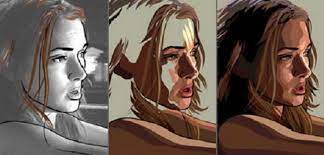
3D Animation transforms digital figures into lifelike characters and immersive environments, marking a significant evolution from traditional 2D animation. This innovative form of animation employs computer-generated imagery (CGI) to create three-dimensional spaces, offering viewers an enriched, realistic experience that two-dimensional animation cannot achieve. At the heart of 3D Animation is the ability to bring depth, movement, and a sense of realism to animated characters and scenes, making it a cornerstone of modern entertainment, from blockbuster movies to interactive video games and beyond.
The journey of 3D Animation began in the early 1970s and has since undergone remarkable advancements, with pioneering works such as Pixar’s “Toy Story” in 1995 showcasing its potential to tell complex stories in an entirely new way. Today, 3D Animation is ubiquitous, shaping not only the film and gaming industries but also extending its reach to virtual reality experiences, architectural visualizations, and medical simulations, demonstrating its versatility and expansive applicability.
Startfire stands at the forefront of this digital frontier, offering comprehensive 3D Animation services that cater to a broad spectrum of needs. Whether it’s creating vivid characters for an animated feature, designing immersive environments for video games, or developing interactive simulations for educational purposes, Startfire harnesses the latest advancements in 3D Animation to bring creative visions to life. With a team of skilled professionals and a commitment to innovation, Startfire 2d/3d animation studio is your ideal partner in navigating the complex yet rewarding world of 3D Animation.
By leveraging cutting-edge technology and artistic expertise, Startfire not only contributes to the ongoing evolution of 3D Animation but also helps businesses and creators captivate audiences with visually stunning and emotionally engaging content. For those looking to hire a dedicated 3D Animator, Startfire offers access to talent that can transform conceptual ideas into breathtaking digital realities, setting new standards for what is possible in the realm of animated storytelling and beyond.
3D Animation is not just a technical skill; it’s an art form that opens up a world of limitless possibilities. As we continue to explore the depths of digital creativity, Startfire remains committed to pushing the boundaries of what 3D Animation can achieve, ensuring that each project they undertake is as innovative as it is impactful.
The 3D Animation Process
The journey of creating a 3D Animation is both intricate and fascinating, involving a series of steps that bring digital worlds to life. This process, honed by studios like Startfire 2d/3d animation studio, combines artistic vision with technical expertise. Here’s an overview of the workflow and the key stages involved:
- Modeling: The first step in the 3D Animation process is modeling, where artists use software to create 3D models of characters and objects. This stage sets the foundation for everything that follows, as each model acts as a digital puppet that will later be animated. Startfire specializes in crafting detailed and complex models that can range from hyper-realistic characters to fantastical creatures, ensuring that every aspect of the model is perfectly aligned with the project’s requirements.

- Rigging: Once modeling is complete, the next phase is rigging. This involves adding a skeleton, or rig, to the 3D models. Rigging is what makes movement possible, defining how each part of the model moves in relation to the others. It’s a crucial step that determines the feasibility of the character’s movements, whether it’s a simple wave of the hand or an elaborate dance sequence. The expertise of Startfire in rigging ensures that characters move in a natural and believable manner.

- Texturing: With the models rigged, the next step is texturing. This phase is about applying surfaces and colors to the models, giving them a lifelike appearance. Textures can simulate the look of skin, fabric, metal, and more, adding depth and detail to the digital creations. Startfire are adept at creating textures that reflect light naturally and enhance the overall realism of the animation.

- Animation: This is where the magic happens. The animation phase brings the 3D models to life through movement. Animators at Startfire meticulously keyframe each movement, ensuring that characters and objects move smoothly and expressively. This stage is both technically demanding and creatively fulfilling, requiring a deep understanding of motion, timing, and storytelling.
- Lighting: Lighting is used to enhance the realism of the scenes, adding mood, depth, and dimension. Effective lighting can make a scene feel warm and inviting or cold and alien, significantly impacting the viewer’s emotional response. Startfire employs sophisticated lighting techniques to mimic natural light sources and create atmospheric effects that elevate the visual storytelling.

- Rendering: The final step in the 3D Animation process is rendering. This computationally intensive process combines all the previously created elements—models, movements, textures, and lighting—into the final image or animation sequence. Rendering can take anywhere from a few hours to several days, depending on the complexity of the scene. Startfire utilizes cutting-edge rendering technology to ensure that the final output is of the highest quality, ready for audiences to enjoy.
The 3D Animation process is a testament to the collaboration between artists, animators, and technical experts. Each stage, from modeling to rendering, plays a crucial role in bringing imaginative concepts to the screen. At Startfire, this process is approached with a blend of creativity, precision, and technological prowess, ensuring that each project not only meets but exceeds expectations.
Types of 3D Animation: Real-time vs. Pre-rendered Animation
In the expansive universe of 3D Animation, two primary methodologies stand out: real-time and pre-rendered animation. Each has its unique applications, advantages, and challenges, shaping the way stories are told and experiences are crafted across various platforms.
- Real-time Animation: Real-time animation is the dynamic rendering of 3D visuals as they are being interacted with or viewed. This type of animation is a cornerstone in video games and virtual reality (VR), where the user’s input or movement dictates the animation playback in real time. Unlike pre-rendered animations, which are fixed, real-time animations must be efficient and versatile, capable of running smoothly on various hardware without pre-calculated animations. This immediacy allows for interactive experiences, such as navigating through a game world or exploring a VR simulation. Startfire harnesses real-time animation to create immersive environments and responsive characters, providing users with an unparalleled sense of presence and interactivity.
- Pre-rendered Animation: In contrast, pre-rendered animation refers to animations that are fully rendered in advance of their playback. This technique is widely used in the film industry, where animations must be of the highest visual quality without the constraints of real-time rendering limitations. Pre-rendered animations allow for more complex effects, higher resolution textures, and more sophisticated lighting and shading effects than real-time animation typically permits. Startfire employs pre-rendered animation to produce visually stunning sequences in movies, commercials, and promotional videos, where detail and visual impact are paramount.
Applications Across Industries
- Movies: Pre-rendered 3D Animation is a staple in the film industry, bringing to life everything from fantastical creatures to epic environments with a level of detail and realism that captivates audiences.
- Video Games: Real-time 3D Animation is essential in video gaming, providing a responsive and immersive experience that players expect. Game developers leverage real-time animation to create dynamic worlds that react to the player’s actions, enhancing the gaming experience.
- Virtual Reality: VR heavily relies on real-time 3D Animation to create believable and interactive worlds. Users can explore and interact with these environments in a way that feels fluid and natural, thanks to the advancements in real-time rendering technologies.
- Simulations: Both real-time and pre-rendered animations find applications in simulations for educational, training, and research purposes. Real-time animation allows users to interact with the simulation dynamically, which is crucial for training simulations in fields such as medicine, aviation, and military. Pre-rendered animations are used in scenarios where high-quality visual demonstrations are required to explain complex concepts or procedures.
By leveraging both real-time and pre-rendered 3D Animation, Startfire is able to cater to a wide array of projects and industries, delivering tailor-made solutions that meet the specific needs and goals of each client. Whether it’s creating an interactive game environment, a cinematic movie sequence, a VR experience, or an educational simulation, Startfire combines technical expertise with creative storytelling to push the boundaries of what 3D Animation can achieve.
Software and Tools for 3D Animation
The creation of 3D Animation relies heavily on sophisticated software and tools that enable animators to bring their visions to life. Among the myriad of options available, Blender, Maya, and Unity stand out for their powerful features, versatility, and community support. Each tool caters to different aspects of the 3D Animation process and offers unique advantages depending on the project’s needs.
- Blender: Blender is a free and open-source 3D Animation suite that supports the entirety of the 3D pipeline—modeling, rigging, animation, simulation, rendering, compositing, and motion tracking, even video editing, and game creation. Its accessibility and no-cost entry point make it a popular choice among beginners and independent creators. Despite its free price tag, Blender is incredibly powerful, boasting features that rival those of high-end commercial software. The learning curve can be steep for beginners, but the vast community and plethora of tutorials available online make it easier to get started.
- Maya: Autodesk Maya is a comprehensive professional 3D Animation software widely used in the film, TV, and game development industries. Maya is known for its advanced features, including powerful modeling tools, sophisticated rigging capabilities, and complex animations. It is particularly favored for its animation, simulation, and rendering capabilities, making it the go-to choice for high-budget film productions and AAA game titles. Maya’s extensive feature set comes with a steep learning curve and a high price tag, but for professionals seeking the highest quality output, it’s often considered worth the investment.
- Unity: Unity is a real-time development platform primarily known for game development but increasingly used for 3D Animation in interactive media and virtual reality. Unlike Blender and Maya, which are more focused on content creation, Unity excels in bringing 3D content to life in interactive applications. It provides a robust set of tools for importing 3D models from other software (like Blender and Maya), animating them, and integrating them into interactive environments. Unity’s ease of use and ability to deploy projects across a wide range of platforms make it a favored tool for developers and animators working on real-time 3D projects.
Comparison of Features, Usability, and Learning Curves:
- Features: Maya offers the most comprehensive set of features for professional animators, followed by Blender with its versatile and ever-expanding toolset. Unity stands out for its real-time rendering capabilities and game development features.
- Usability: Blender and Unity are praised for their user-friendly interfaces, though Blender’s extensive features can overwhelm new users. Maya, while highly professional, requires significant time to master due to its complexity.
- Learning Curves: Blender and Maya possess steep learning curves due to their comprehensive feature sets, with Maya being particularly challenging for newcomers. Unity, while also complex, is often considered more accessible for those with a basic understanding of 3D concepts, especially for real-time project development.
Choosing the right software depends on the project’s specific needs, budget, and the animator’s skill level. Startfire utilizes these tools to their fullest, ensuring that whether the project requires intricate modeling and animation (with Maya or Blender) or interactive real-time experiences (with Unity), the final product is of the highest quality.
Challenges and Solutions in 3D Animation
The world of 3D Animation is filled with limitless creative possibilities, but along the path from concept to final product, animators often encounter a variety of challenges. Two common hurdles include rigging difficulties and lengthy rendering times, each of which can significantly impact the animation process. Here are some insights into these challenges and practical tips to overcome them.
Common Challenges
- Rigging Difficulties: Rigging is the process of creating the skeleton or structure that allows 3D models to move. It’s a complex task that requires a thorough understanding of anatomy (for characters) and motion mechanics. Poorly rigged models can result in unnatural movements, which detract from the realism and quality of the animation.
- Rendering Times: Rendering is the process of generating the final image from a completed 3D scene. It can be incredibly time-consuming, especially for scenes with complex lighting, textures, and effects. Extended rendering times can delay project timelines and increase production costs.
Solutions and Tips
Overcoming Rigging Challenges
- Use Advanced Rigging Tools: Many 3D Animation software packages include advanced rigging tools and pre-built skeletons that can simplify the rigging process. Utilizing these tools can save time and ensure more natural movements.
- Leverage Automated Rigging Scripts: There are scripts and plugins available that can automate parts of the rigging process, reducing manual labor and the potential for errors.
- Study Real Movement: Observing and understanding real-life movement can improve your rigging. Reference videos can be invaluable for capturing the subtleties of motion.
Reducing Rendering Times
- Optimize Your Scenes: Before rendering, optimize your scene by reducing the polygon count of your models, compressing textures without losing quality, and disabling any unnecessary effects.
- Use Render Farms: Render farms, which distribute the rendering workload across multiple computers, can significantly reduce rendering times. Some services offer cloud-based render farms.
- Implement Efficient Lighting and Shading: Simplifying lighting setups without compromising scene quality can decrease rendering times. Explore using baked lighting for static objects or scenes where dynamic lighting is not essential.
General Tips
- Stay Updated: The 3D Animation software landscape is constantly evolving, with new updates and tools designed to address common challenges. Keeping your software up to date can provide access to the latest features and efficiencies.
- Continuous Learning: The field of 3D Animation is vast. Engaging in ongoing education through tutorials, online courses, and workshops can enhance your skills and introduce you to new techniques for overcoming obstacles.
- Collaborate and Share Knowledge: Joining 3D Animation communities and forums can be incredibly beneficial. Sharing experiences and solutions with peers can provide new perspectives and tips that you might not have considered.
By embracing these strategies, animators at Startfire and beyond can navigate the complexities of 3D Animation, transforming challenges into opportunities for innovation and creative expression.
Career Paths in 3D Animation
The field of 3D Animation offers a broad spectrum of career paths, each with its unique roles, responsibilities, and requirements. Animators at Startfire and beyond contribute to a wide array of projects, from films and video games to virtual reality and architectural visualizations. Understanding the diverse opportunities within 3D Animation can help aspiring professionals navigate their careers in this dynamic and exciting industry.
Roles and Responsibilities of 3D Animators
- Character Animator: Specializes in bringing characters to life by portraying movement and emotion. This role requires a deep understanding of anatomy, facial expressions, and body language.
- Rigging Artist: Focuses on creating the skeletons or rigs that allow 3D models to move. Rigging artists work closely with animators to ensure that the movements are possible and realistic.
- Modeling Artist: Builds the 3D models of characters, environments, and props. This role demands strong spatial awareness and a keen eye for detail.
- Texturing Artist: Applies surfaces to the 3D models, including colors, textures, and materials, to make them look as realistic as possible.
- Lighting Technician: Works with lighting to enhance the mood, atmosphere, and realism of the scene. They must have a good understanding of color, shadow, and light dynamics.
- Rendering Artist: Manages the final process of rendering, converting 3D scenes into the final video or image. This role requires patience and a strong technical understanding of rendering software.
Required Skills and Education for a Career in 3D Animation
A career in 3D Animation typically requires a combination of formal education and practical experience. Key skills and education pathways include:
- Bachelor’s Degree: Many animators hold a degree in animation, computer graphics, art, or a related field. However, a strong portfolio can sometimes outweigh the lack of a degree.
- Technical Skills: Proficiency in 3D Animation software like Maya, Blender, or Unity is essential. Knowledge of rigging, modeling, texturing, and lighting is also crucial.
- Artistic Ability: A strong foundation in art and design principles, including understanding of anatomy, perspective, and color theory.
- Creativity and Storytelling: The ability to conceive and tell stories through animation is vital. Creativity helps in developing unique characters and worlds.
- Communication and Teamwork: As most 3D Animation projects involve collaboration, strong communication skills and the ability to work in a team are important.
Outlook and Opportunities in the Industry
The 3D Animation industry is thriving, with growing demand for high-quality animated content in movies, television, video games, and online platforms. Emerging technologies like virtual reality and augmented reality are also opening new avenues for animators. With the industry’s evolution, there’s a continuous need for talented 3D Animators, making it an opportune time to pursue a career in this field.
For those looking to break into 3D Animation or advance their careers, Startfire offers a platform to hone your skills, work on diverse projects, and collaborate with a team of experts in the field. Whether you’re aiming to become a character animator, a rendering artist, or any role in between, the opportunities are vast and varied.
Embarking on a career in 3D Animation is a journey of constant learning and creativity. As the industry continues to grow and evolve, so too do the possibilities for those passionate about bringing stories and characters to life in the digital realm.
Future Trends in 3D Animation
The landscape of 3D Animation is continually evolving, with new technologies and innovations shaping the future of the industry. Startfire is at the forefront, embracing these advancements to push the boundaries of what is possible in animation. Here’s a look at some of the most promising trends and how they’re influencing animation techniques and storytelling.
Innovations Shaping the Future of 3D Animation
- Artificial Intelligence (AI): AI is revolutionizing 3D Animation by automating time-consuming tasks such as rigging and lip-syncing, allowing animators to focus more on the creative aspects of animation. AI algorithms can also generate realistic textures and even assist in creating complex animations that would be difficult to achieve manually.
- Virtual Reality (VR) and Augmented Reality (AR): VR and AR are creating new dimensions for 3D Animation, offering immersive experiences that put viewers inside the animation itself. This technology is not just changing how we consume animation but also how it’s created, allowing animators to design and navigate 3D spaces in real-time.
- Real-Time Rendering: Advances in real-time rendering technologies are blurring the lines between pre-rendered and live animations, enabling stunning visuals to be created and displayed instantaneously. This innovation is particularly impactful in the gaming industry and live virtual productions, offering audiences high-quality visuals without long waiting times.
- Motion Capture Technology: The continued improvement of motion capture technology is making character animations more lifelike than ever. By capturing the movements of real actors, animators can imbue 3D characters with natural, realistic motions, enhancing the authenticity and emotional impact of their stories.
The Impact of Emerging Technologies on Animation Techniques and Storytelling
These emerging technologies are not only advancing the technical capabilities of 3D Animation but are also profoundly affecting storytelling. With AI and machine learning, for example, animators have new tools at their disposal for creating complex, nuanced characters and narratives. Meanwhile, VR and AR are opening up entirely new platforms for storytelling, allowing creators to construct interactive, immersive worlds that engage audiences in unprecedented ways.
Real-time rendering and improved motion capture technologies enable stories to be told with greater visual fidelity and emotional depth, making the viewer experience more engaging and believable. As these technologies become more integrated into the 3D Animation process, we can expect to see a shift towards more dynamic, interactive narratives that leverage the strengths of each innovation.
Startfire is actively exploring these trends, incorporating cutting-edge technologies to offer state-of-the-art 3D Animation services. By hiring a dedicated 3D animator from Startfire, clients can take advantage of these future trends to create captivating animations that stand out in a crowded media landscape.
The future of 3D Animation is bright, with endless possibilities for creativity and innovation. As technologies continue to evolve, so too will the ways in which we create and consume animated content, opening up new horizons for animators and audiences alike.
Special Focus: Startfire
Startfire stands as a beacon in the 3D Animation industry, renowned for its exceptional expertise and innovative approach. With a team of dedicated professionals, Startfire brings ideas to life through cutting-edge 3D Animation, tailored to meet the unique needs of each client. Here’s an in-depth look at what makes Startfire a leader in the animation world.
Overview of Startfire
Startfire is at the forefront of 3D Animation, harnessing a blend of artistic talent and technological prowess to create stunning, immersive animations. From intricate character designs to expansive digital worlds, their portfolio showcases a wide range of capabilities designed to captivate audiences. With a commitment to quality and creativity, Startfire has established itself as a trusted partner for businesses and individuals alike, looking to elevate their projects with high-quality 3D Animation.
Services Offered by Startfire
- Custom 3D Animation: Startfire specializes in creating bespoke 3D Animation that aligns perfectly with the vision and goals of their clients. Whether for film, television, video games, or digital marketing, their team works closely with clients to bring their concepts to life with precision and flair.
- Hiring Dedicated 3D Animators: Recognizing the diverse needs of projects, Startfire offers the option to hire dedicated 3D animators. This service allows clients to work directly with skilled animators, ensuring that every aspect of the animation process is tailored to meet the specific requirements of the project.
How Startfire Can Assist Businesses and Individuals
Startfire leverages its extensive experience and state-of-the-art technology to assist businesses and individuals in achieving their 3D Animation goals. By understanding the unique challenges and objectives of each project, Startfire is able to provide strategic solutions that enhance storytelling, engage audiences, and deliver messages with impact. Their collaborative approach ensures that clients are involved at every stage, from initial concept to final delivery, guaranteeing results that exceed expectations.
For those looking to bring a level of professionalism and creativity to their projects that only high-quality 3D Animation can provide, Startfire is the perfect partner. With a focus on innovation, quality, and client satisfaction, Startfire continues to push the boundaries of what is possible in 3D Animation.
For more information on their services and how they can help bring your animation project to life, visit Startfire Main Website. Discover the difference that professional 3D Animation services can make for your next project. Whether you’re looking to create an animated feature, develop a video game, or produce an engaging advertisement, Startfire has the skills, technology, and creative vision to help you succeed.
Conclusion
Throughout this exploration of 3D Animation, we’ve delved into its intricate process, from modeling and rigging to rendering, and highlighted the boundless opportunities it presents across various industries. The advancements in technology, including AI and VR, continue to push the boundaries of what’s possible, shaping a future where 3D Animation becomes even more immersive and interactive.
The versatility and importance of 3D Animation cannot be overstated. It’s a field that combines art, storytelling, and technology in ways that continually redefine our visual and digital experiences. Whether for entertainment, education, or marketing, 3D Animation offers a unique medium to convey stories, simulate realities, and bring ideas to life with depth and movement that captivate audiences worldwide.
For those intrigued by the endless possibilities of 3D Animation, whether as a hobby or a career path, there’s never been a better time to dive in. The industry’s growing demand for skilled animators and innovative content opens a world of opportunities for creative expression and professional growth.
Startfire stands ready to partner with individuals and businesses looking to explore the vast potential of 3D Animation. With their expertise in creating custom animations and the option to hire dedicated 3D animators, Startfire offers the professional support and collaboration needed to bring your vision to life. Their commitment to quality and innovation makes them an ideal choice for anyone looking to make a mark in the world of 3D Animation.
As we look to the future, the evolution of 3D Animation promises even more exciting developments and opportunities. By embracing these advancements and exploring the creative possibilities they offer, animators and studios like Startfire will continue to captivate and inspire us. So, whether you’re taking your first steps into 3D Animation or seeking to elevate your projects with professional expertise, remember that the journey is as limitless as your imagination.